Chengdu Layover Guide: 1–2 Days Before/After Jiuzhaigou
Chengdu is a big enough city to fill three or four days on its own, but that’s not what this guide is for. This is for the version of the trip where Chengdu is a layover — a day or two bookending a Jiuzhaigou and Huanglong trip, not the main event.
Below is everything from getting out of the airport to what’s actually worth doing, broken into half-day, full-day, and two-day combinations depending on how much time you’ve got. How to get from Chengdu to Jiuzhaigou is covered separately in the transport guide, and the full 4-day route tying everything together is in the 4-day itinerary guide. This one’s just about what to do in the city itself.
Getting From the Airport Into the City
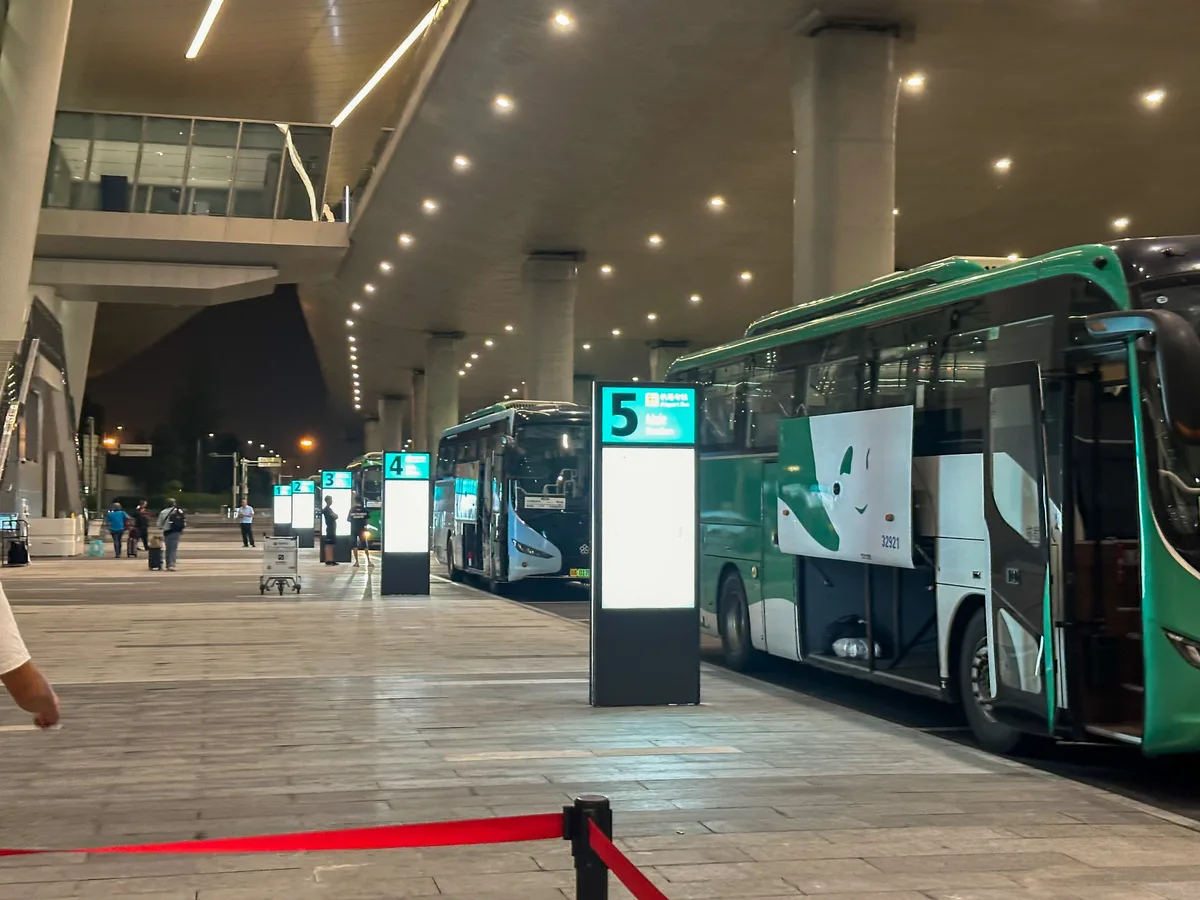
If you’re flying in direct from Korea, you’ll land at Tianfu Airport. From there, it’s about an hour into downtown Chengdu (Chunxi Road area) by bus or metro.
| Airport bus | Metro | |
|---|---|---|
| Hours | 24 hours (every 15–30 min) | Doesn’t run overnight |
| Fare | 15 RMB (06:00–23:30) / 25 RMB (23:30–06:00) | 11 RMB |
| Travel time | ~70–100 min | ~60–80 min |
| Transfers | None | 2–3 transfers |
| Comfort | Luggage storage, seated | May be standing room with luggage |
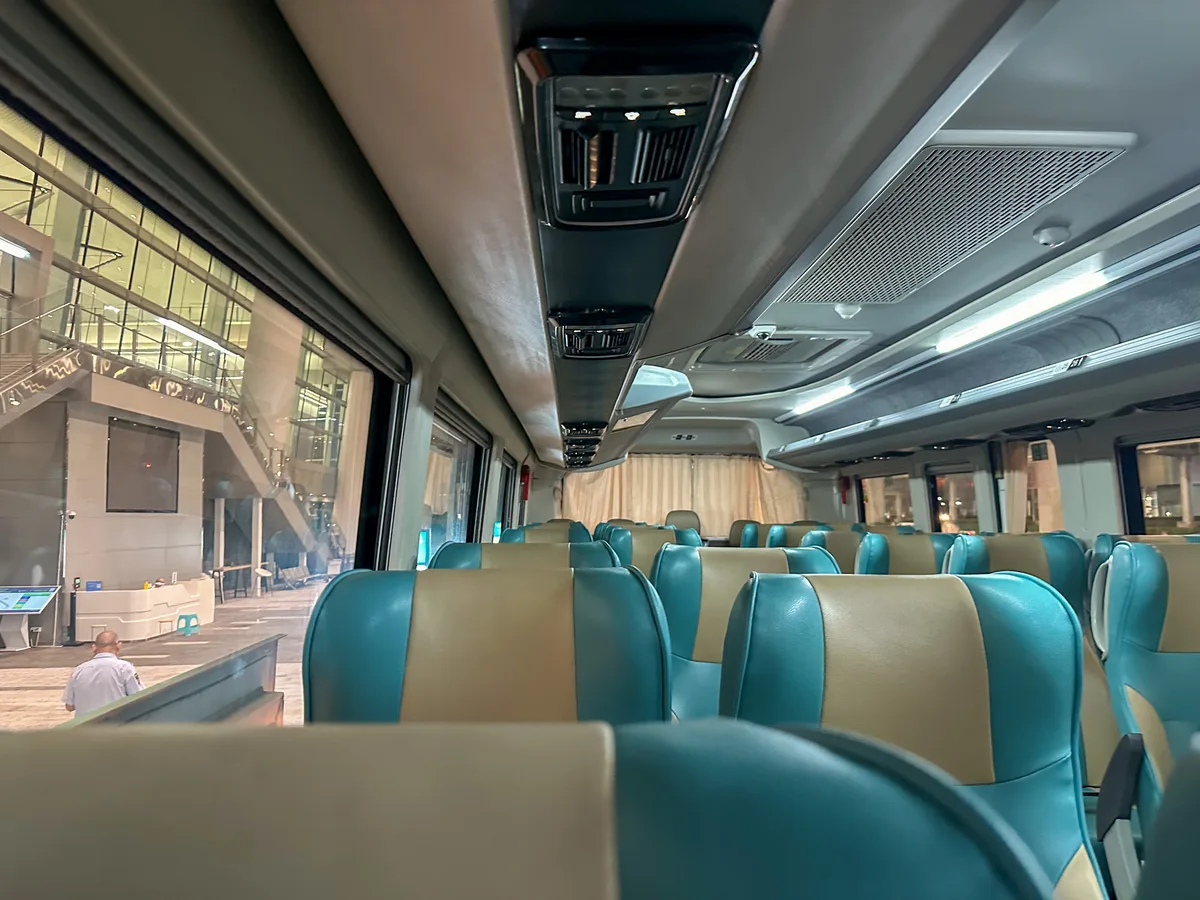
- If you’ve got a lot of luggage or you’re landing overnight, the airport bus is the easier call. As a visitor, the two routes worth knowing are Line 1 (blue, ends at Chunxi Road) and Line 4 (yellow, ends at Chengdu East Station).
- Look for the “Airport Bus (机场专线)” signage after you land — it’ll lead you to the boarding bays.
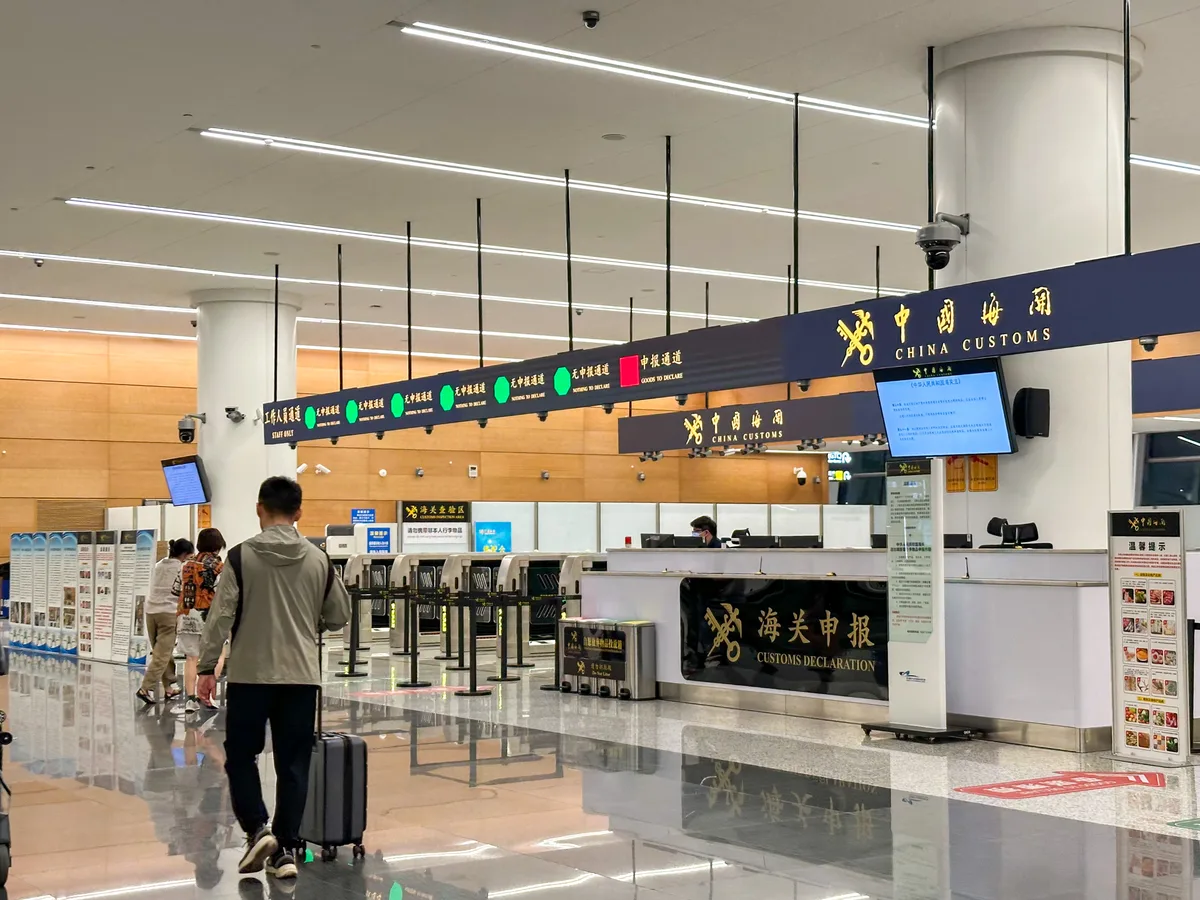
- Set up Alipay before you land if you can; it makes paying for the bus and everything else in the city much smoother.
- Terminal 1 handles mostly international flights (lighter crowds), Terminal 2 mostly domestic — if you land at T1, expect the bus to fill up more once it swings through T2.

Where to Stay
| Area | Vibe | Price range |
|---|---|---|
| Chunxi Road / Taikoo Li | Everything’s within 30 min, airport express bus | High |
| Wenshuyuan | Lots of guesthouses, quiet | Mid |
| Jiuyanqiao | Bars and nightlife, not really a family pick | Mid |
| Kuanzhai Alley | Traditional-meets-modern, good value | Mid–high |
| Near Line 2 stations | Budget-friendly | Low |
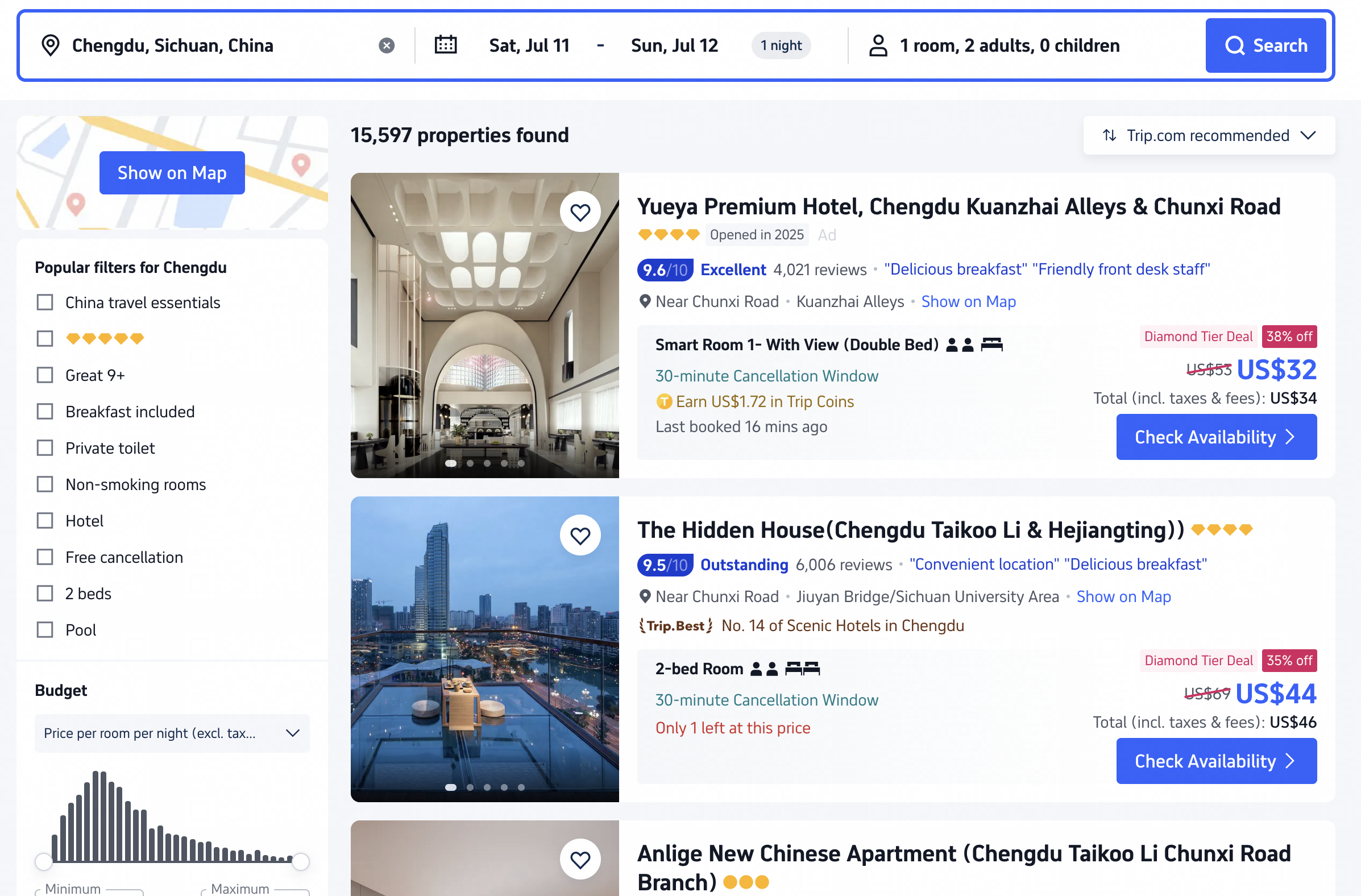
- Two things to check when picking a hotel: how close it is to a metro stop, and whether it offers luggage storage — handy for the day you head out to Jiuzhaigou or Huanglong and want to leave your suitcase behind.
- Booking through Trip.com is a safe bet — only actual guests can leave reviews, so ratings tend to be trustworthy.
- China’s big holiday weeks (Lunar New Year ~7–8 days, Labor Day ~5 days, National Day ~7–10 days) fill up fast — book ahead if your trip overlaps with one.
Practical Stuff Worth Sorting Out Before You Land
- eSIM: You’ll want data the moment you land, so grab an eSIM before you leave. Google, YouTube, Instagram, and KakaoTalk are all blocked on the local network, so look for one with a working VPN built in.
- Alipay: Chengdu’s metro and buses run on QR payments, so register for Alipay in the app before you arrive if you can.
- Currency/cards: Cards like Travel Wallet or Travel Log let you withdraw from local ATMs fee-free.
- Meds: Pharmacies in China tend to run pricier than what you’re used to, so pack whatever basics you might need before you leave.
If you’re visiting in December or January (likely if you’re pairing this with a Jiuzhaigou/Huanglong trip), here’s what to pack. Detailed altitude and Jiuzhaigou-specific weather prep is in the travel tips guide — this is just the Chengdu city-side version.
- December: Average high 11.4°C / average low 5.2°C. Rain is light (~5mm, about 5 rainy days a month), so despite the cloudy, humid feel, you’re unlikely to actually get rained on. A coat or fleece-lined jacket is enough.
- January: Average 6.5°C, ranging 3.3–9.6°C. The coldest month of the year, with a lot of foggy days. Bring a long puffer coat, thermal layers, and a scarf, gloves, and hand warmers.
- It rarely drops below freezing, but the humidity makes it feel colder than the numbers suggest.
- These are long-term averages, so check the actual forecast again closer to your trip.
Half a Day: Kuanzhai Alley or Jinli + Wuhou Shrine
If you’ve only got half a day, pick one of these two. Both are walkable, metro-accessible neighborhoods.
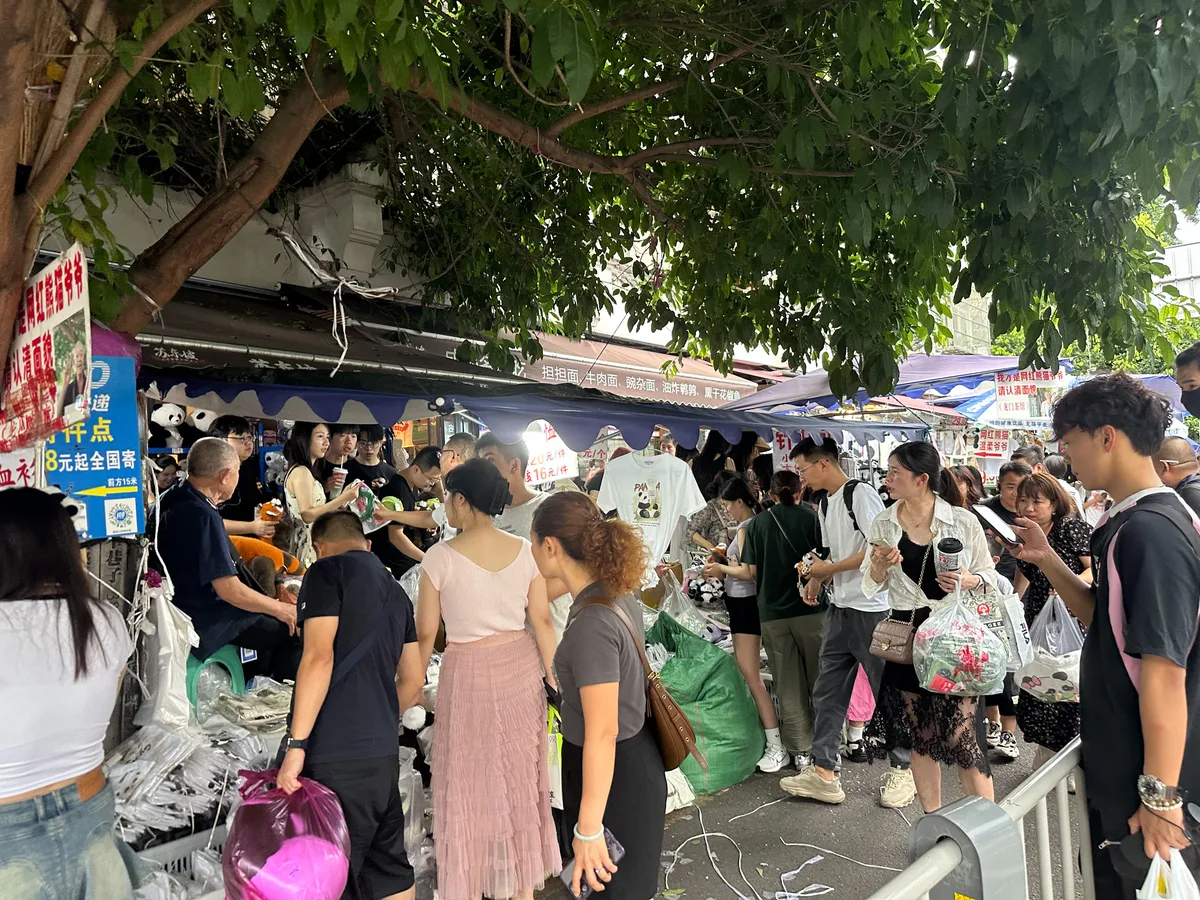
Kuanzhai Alley (宽窄巷子) — near the Kuanzhai Alley metro stop on Line 4. Street food (hot pot skewers, dandan noodles), tea houses with mini face-changing shows, and photo ops in traditional dress. It’s also known as the cheapest place in Chengdu for panda souvenirs — there’s a local vendor nicknamed the “internet-famous panda grandpa,” though the crowd around his stall gets thick fast, so nearby stalls sell similar stuff for less hassle. Grab a panda headband or bag here before you hit the Panda Base so you’ve got it for photos.
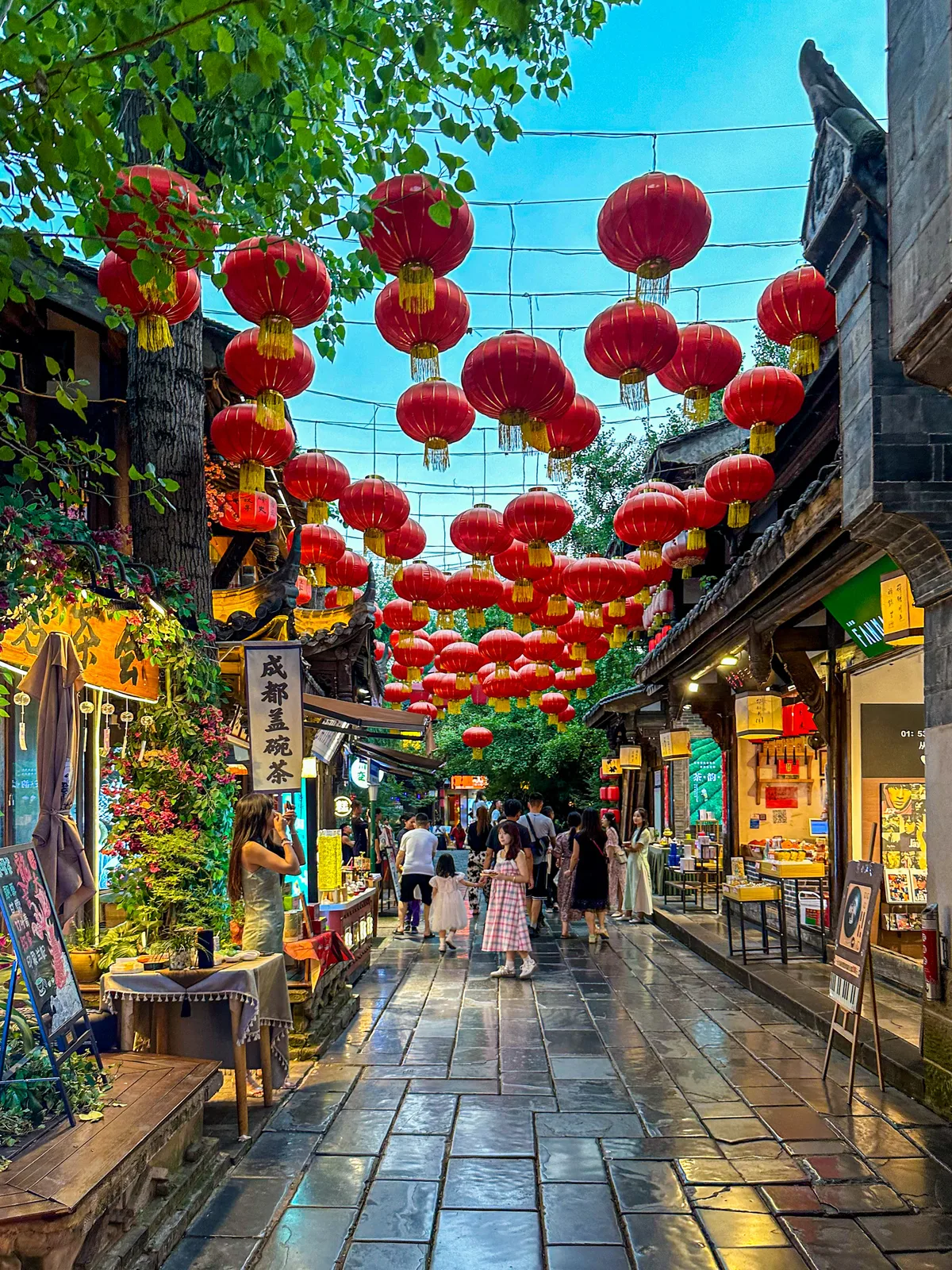
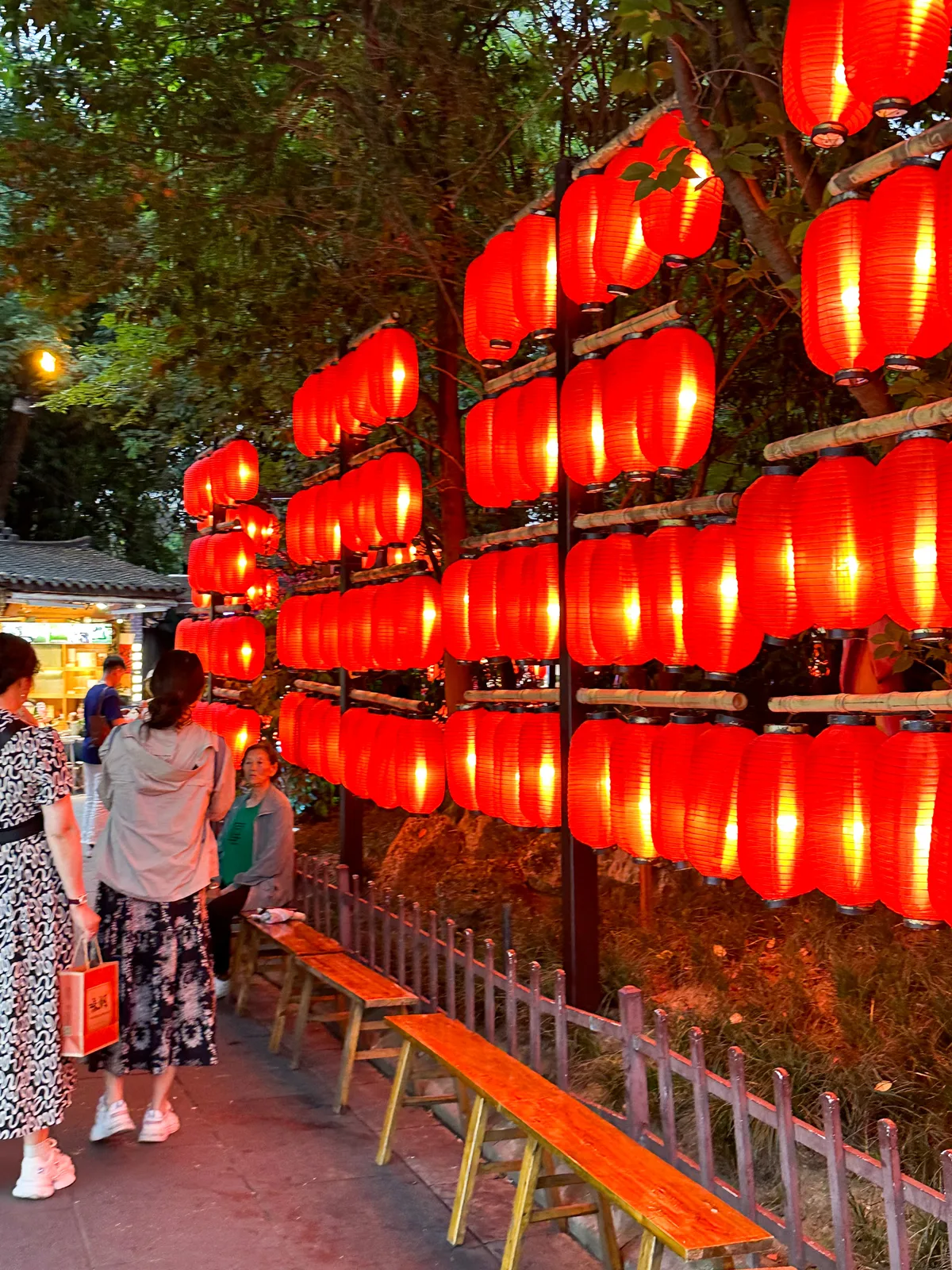
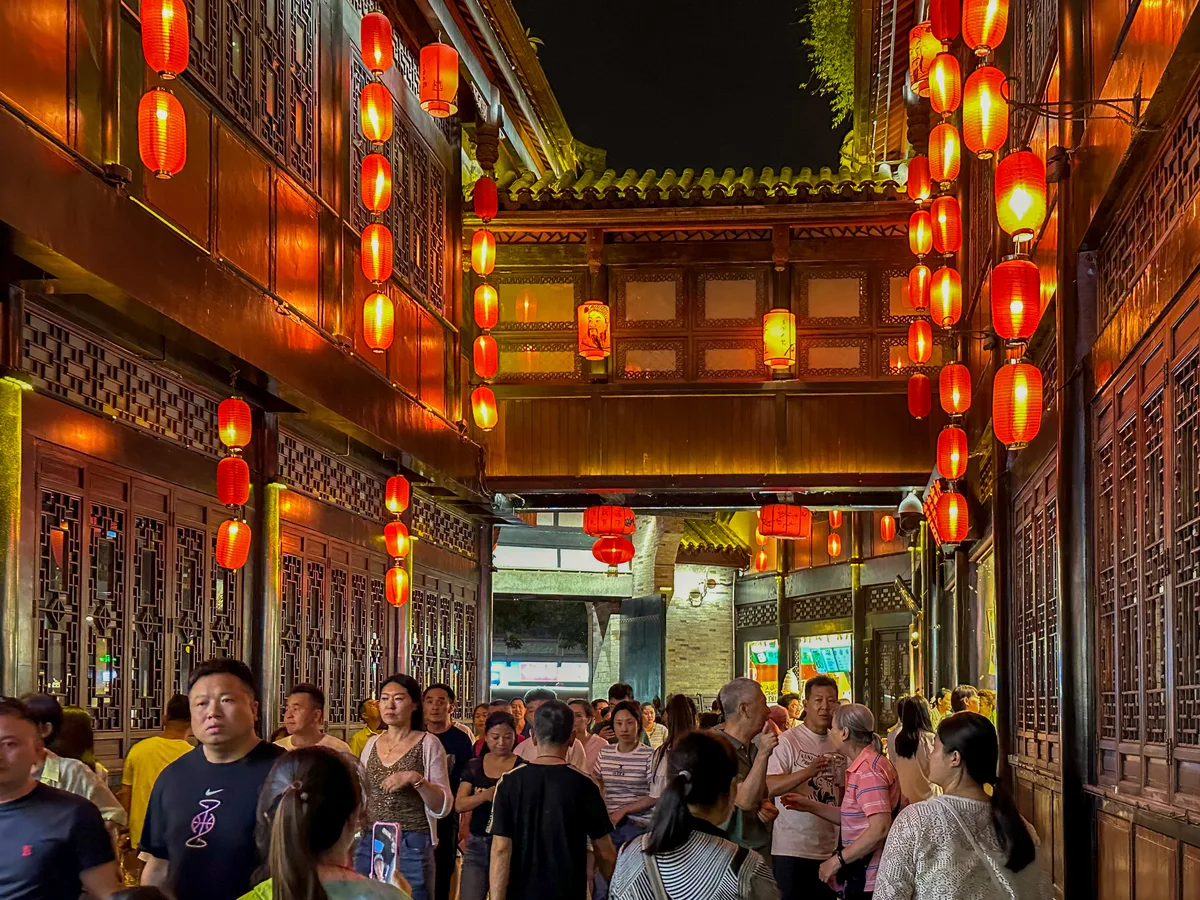
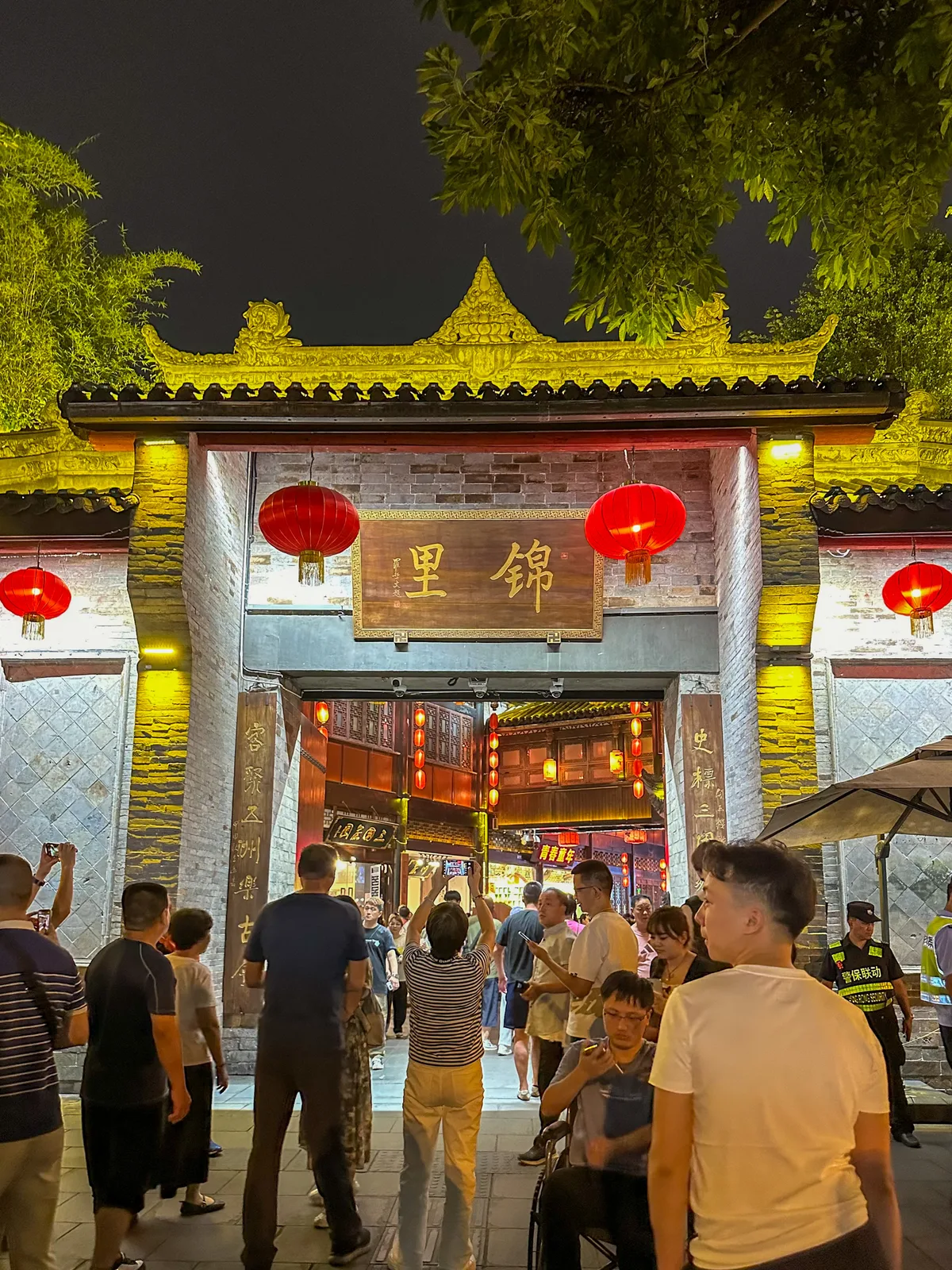
Jinli (锦里) + Wuhou Shrine — an old-town street next to Wuhou Shrine (50 RMB), built to honor the Three Kingdoms strategist Zhuge Liang. Jinli looks completely different at night once the red lanterns come on, so aim for dusk. If you’re not that curious about the shrine’s interior, plenty of people just snap a photo against the red walls outside and move on.
A Full Day: Panda Base in the Morning + an Afternoon Add-On
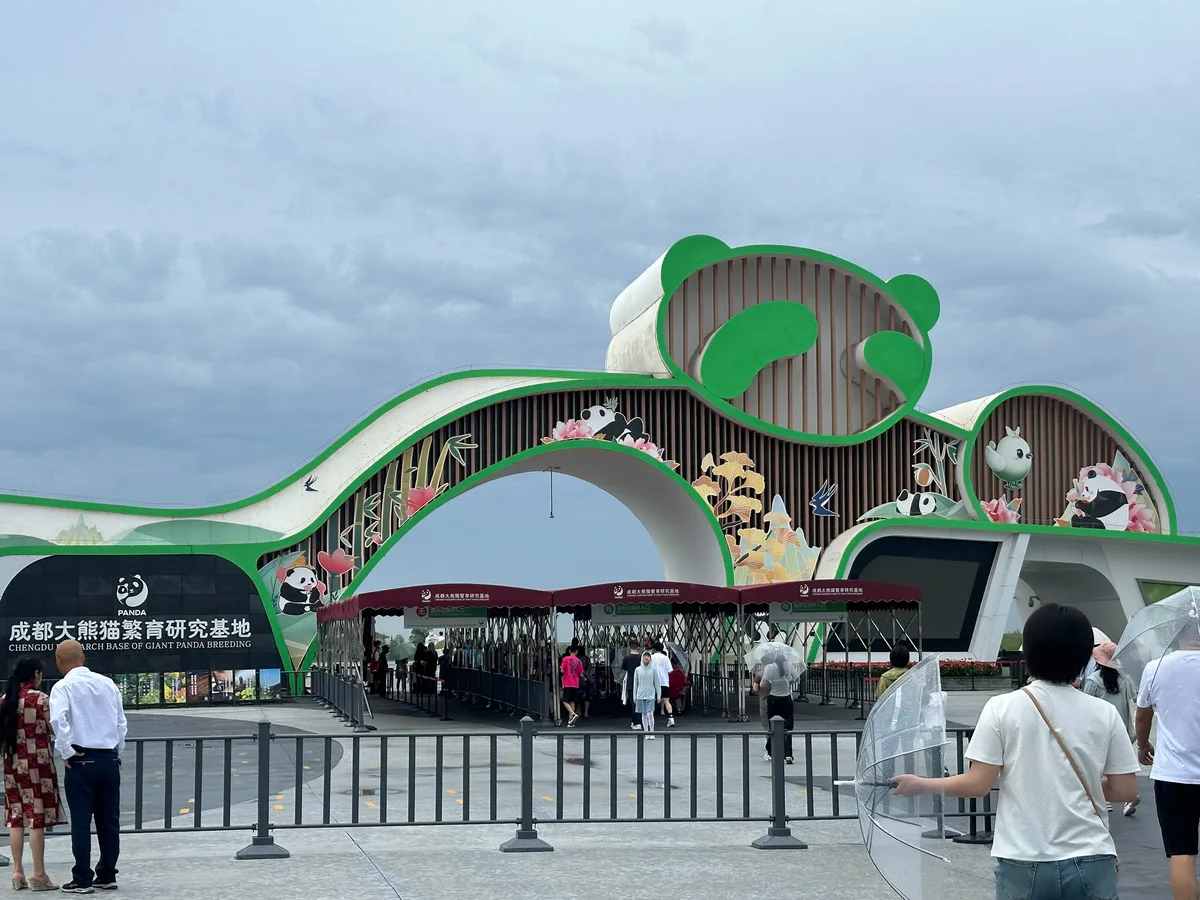
The Chengdu Research Base of Giant Panda Breeding is a morning trip. Pandas are most active when it’s cool, so if you show up late, you’re mostly watching them nap in the shade.
| Details | |
|---|---|
| Admission | 55 RMB |
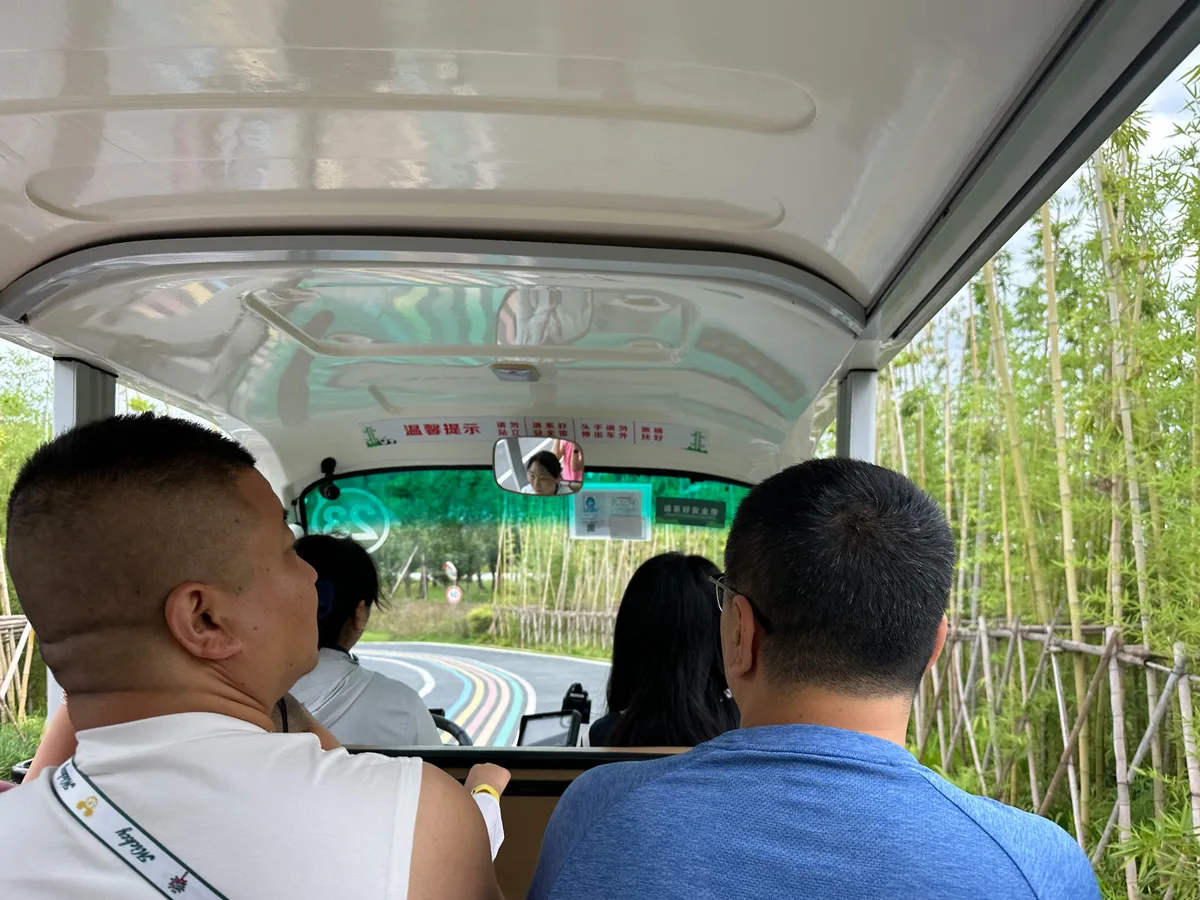
| Cart | 30 RMB, unlimited rides |
| Bring | Passport, comfortable shoes |
Hours (official)
| Season | Morning session | Afternoon session | Last entry / ticket use |
|---|---|---|---|
| Peak (Mar 16–Oct 31) | 07:30–12:00 | 12:00–18:00 | 17:00 |
| Off-season (Nov 1–Mar 15) | 08:00–12:00 | 12:00–17:30 | 16:30 |
- Tickets are sold for a morning or afternoon session — book the morning session. Once it heats up in the afternoon, pandas tend to disappear into the shade.
- The West Gate side is quieter and mostly indoor exhibits (including the “Star” baby panda nursery zone); the South Gate side is more outdoor and where the crowds gather around star pandas like Huahua.
- The red panda area is usually less crowded — a good spot to see them lounging in the trees without the crush of people.
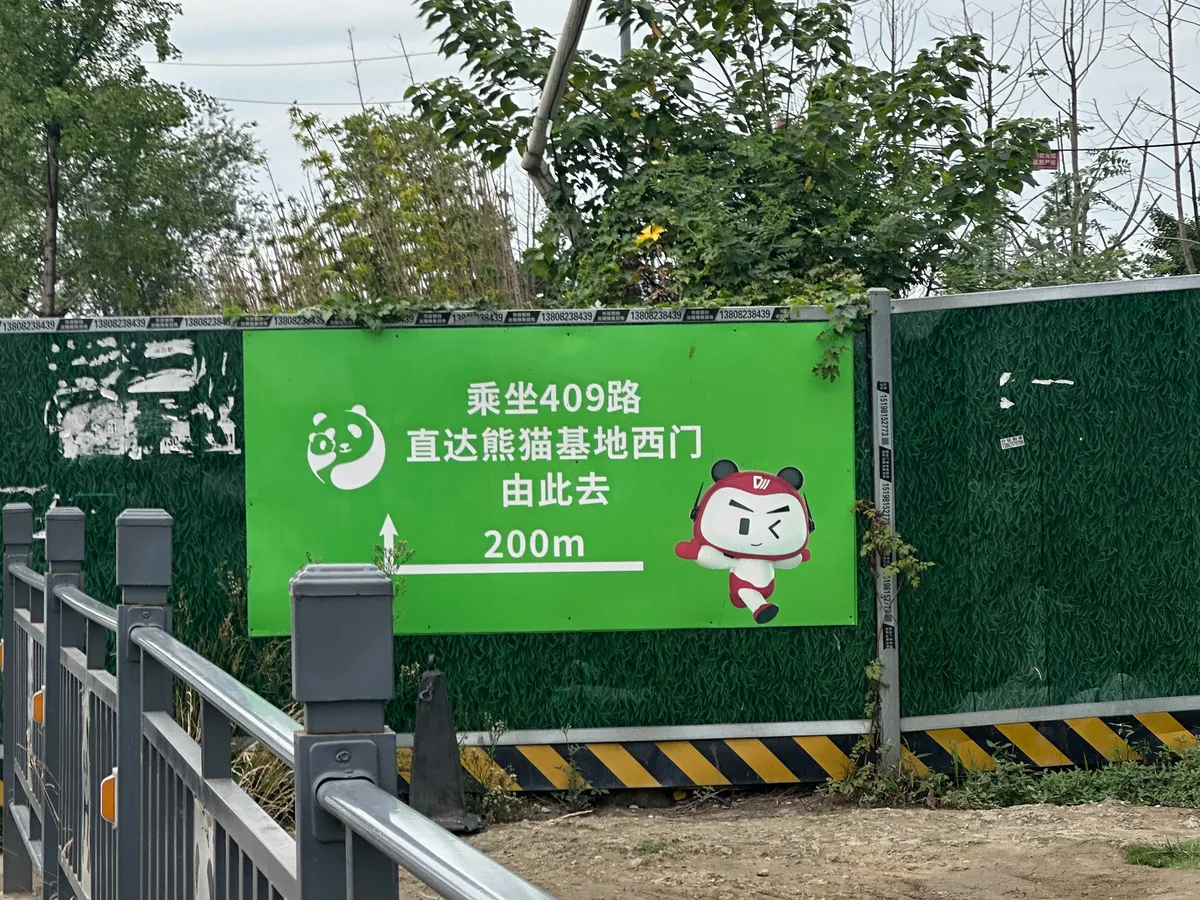
- Plan for 3–5 hours. There are six zones with real distance between them, so make good use of the cart.
- Book your ticket ahead on Trip.com and you can walk straight in with just your passport.

For the afternoon, add whichever one fits your route:
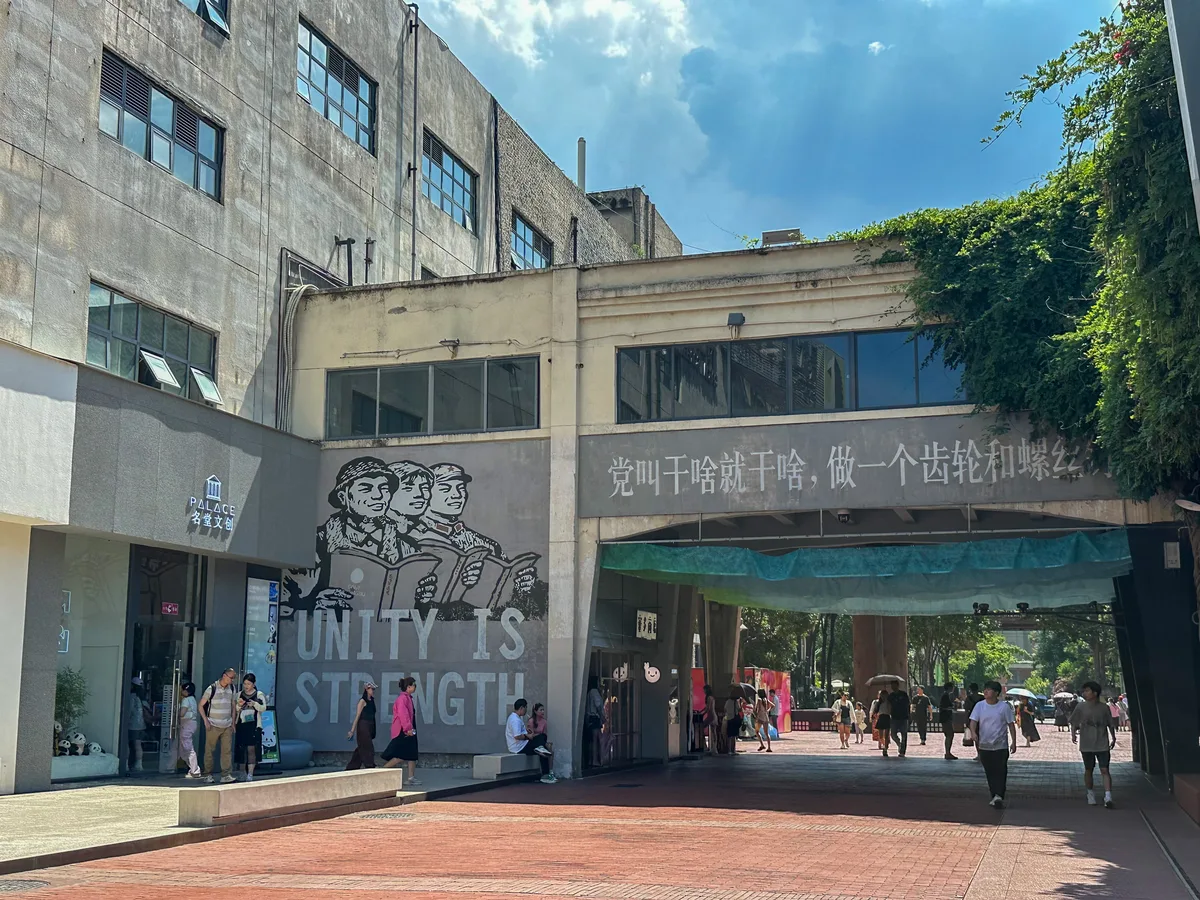
- Dongjiaoji — a converted factory turned arts district. Reachable by bus from the Panda Base’s South Gate (double-check the current route number when you go). Free to enter (a few exhibits charge extra), and the murals scattered around the complex make it a solid photo stop.
- Wenshuyuan — about 90 minutes by bus from the Panda Base’s West Gate. Open 08:00–17:00, free. The shopping street out front, Wenshufang, has a similar look to Kuanzhai Alley but with way fewer people.
Two Days: Add People’s Park, a Chunxi Road Night Walk, and a Face-Changing Show
Got an extra day? Add these in.
People’s Park — the park grounds are open 24 hours (individual venues like the tea house and boat rentals keep their own hours), free entry. Tea at the century-old He Ming Tea House, paddle boats on the artificial lake (50 RMB for 50 minutes), and on weekends, the “matchmaking corner” where parents post their kids’ profiles hoping to find them a match. Give it half a day.
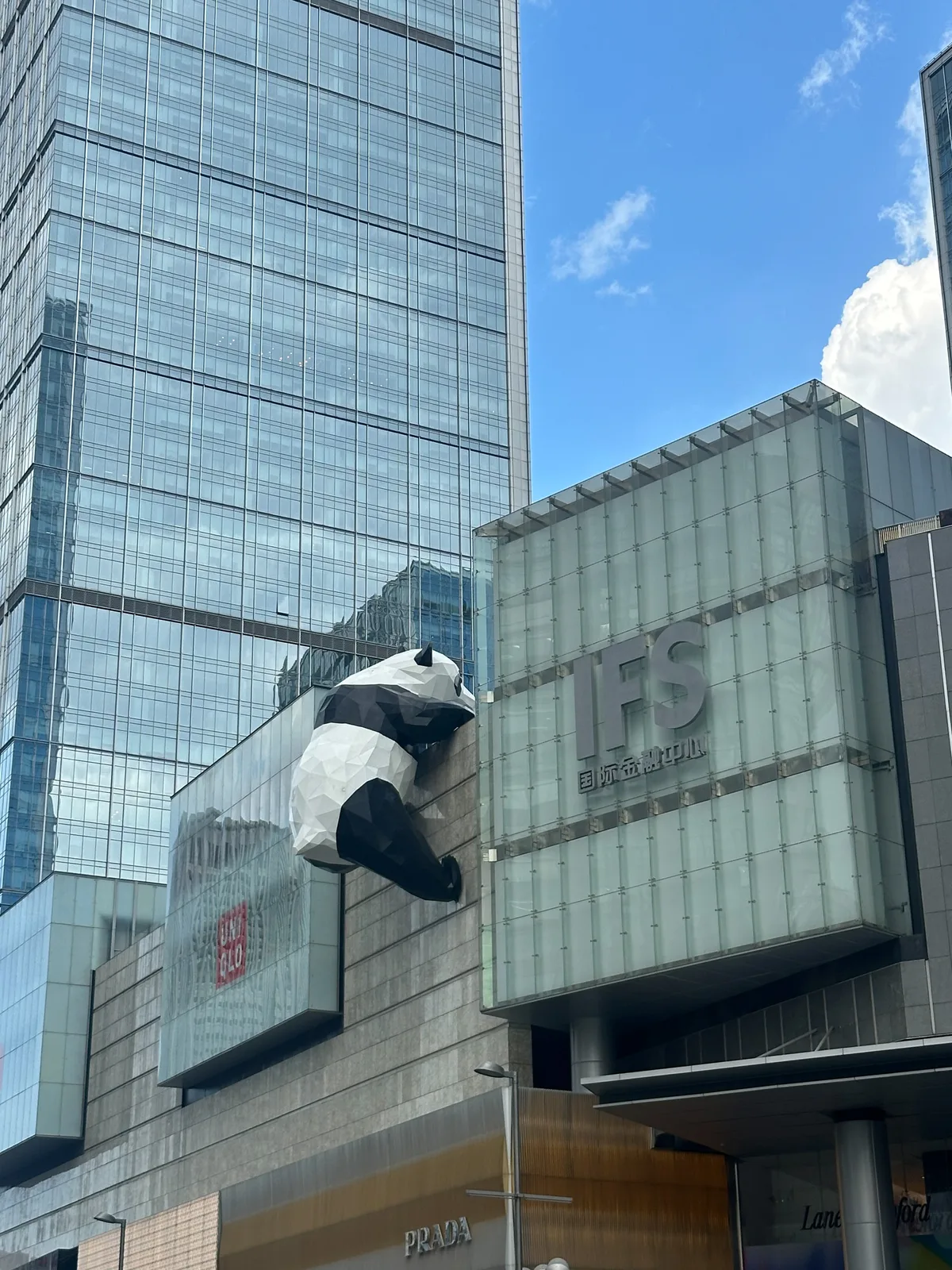
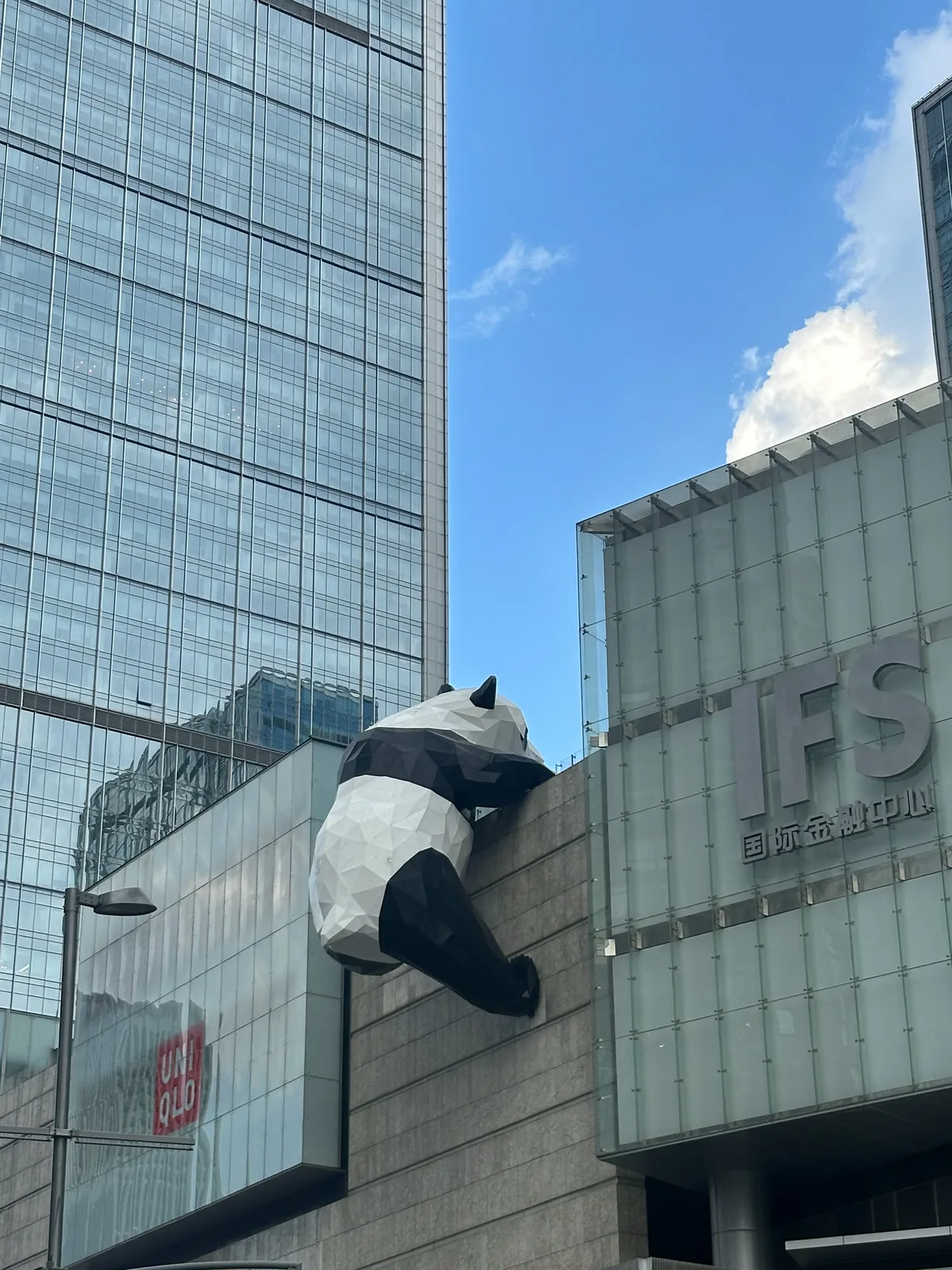
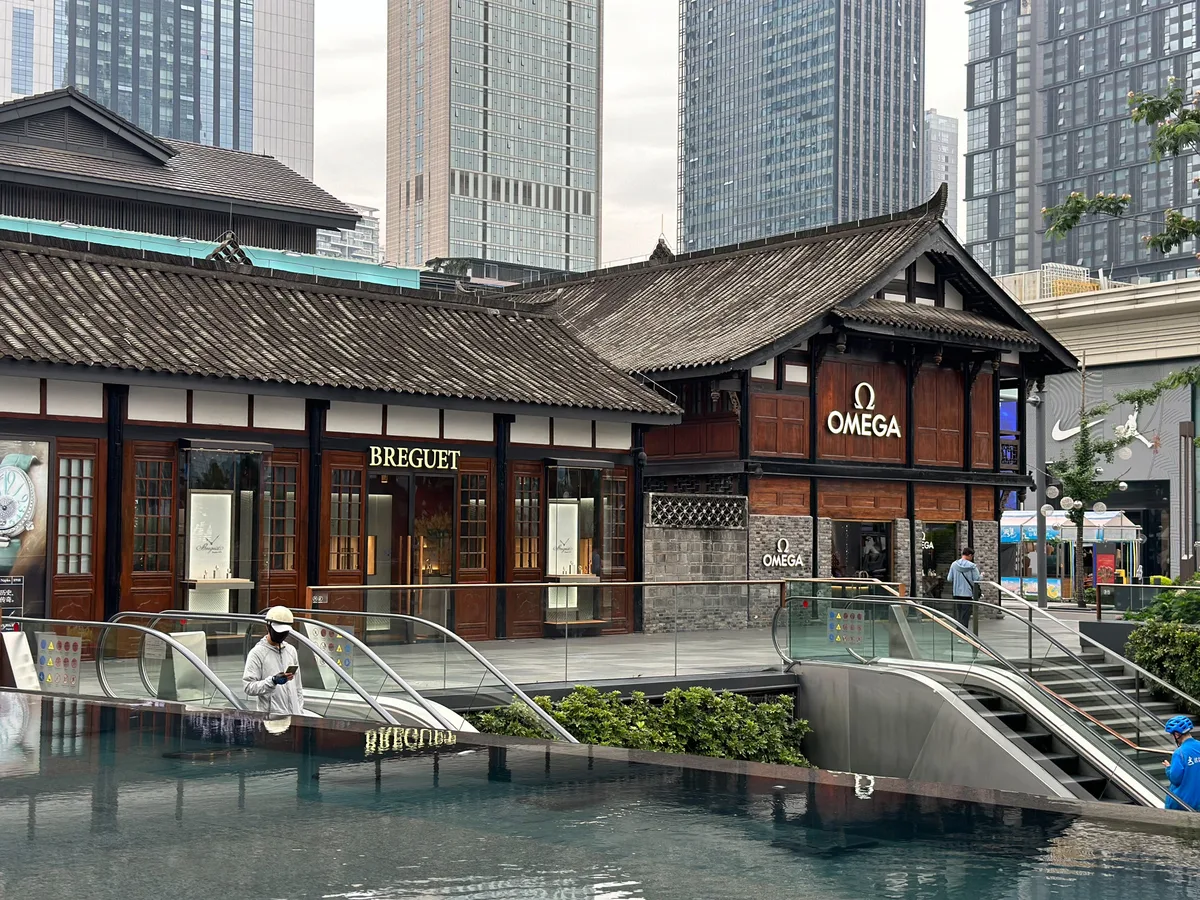
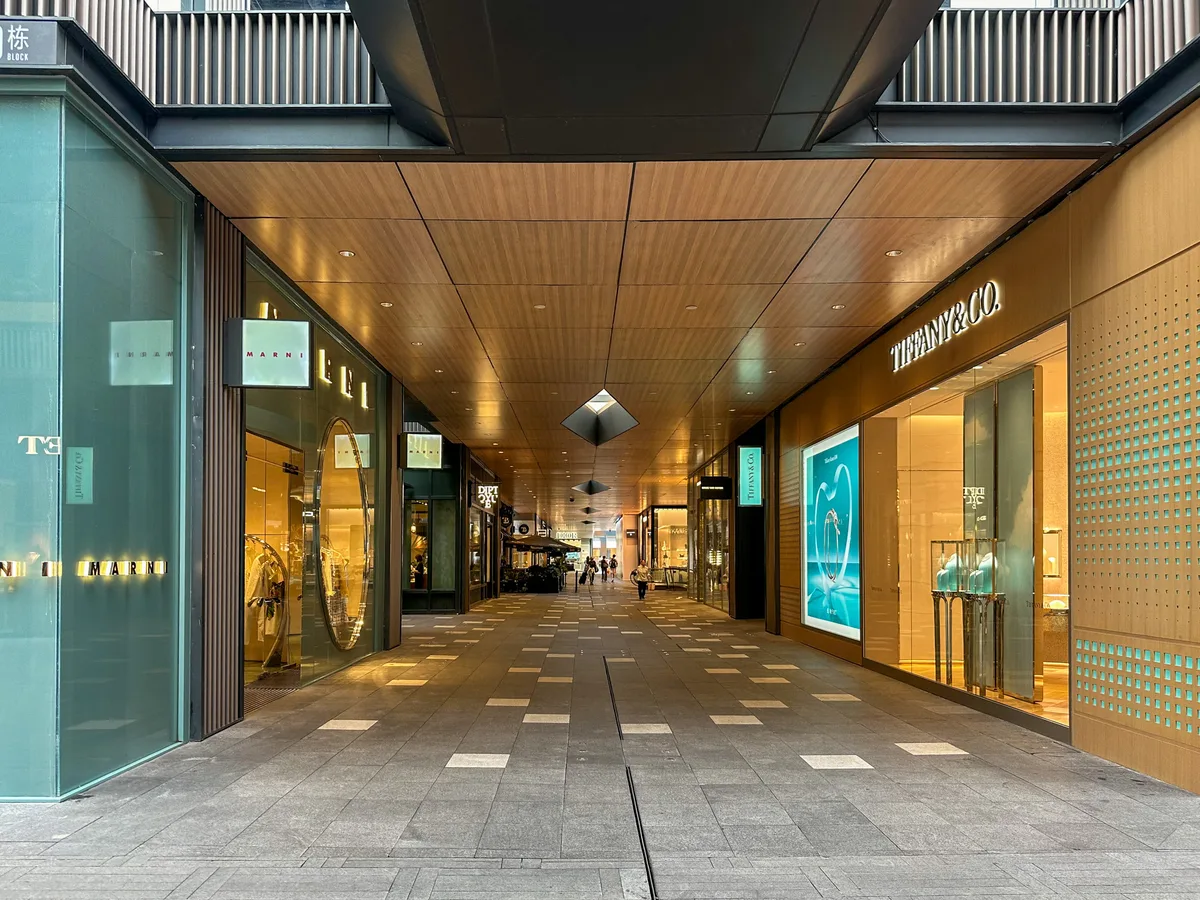
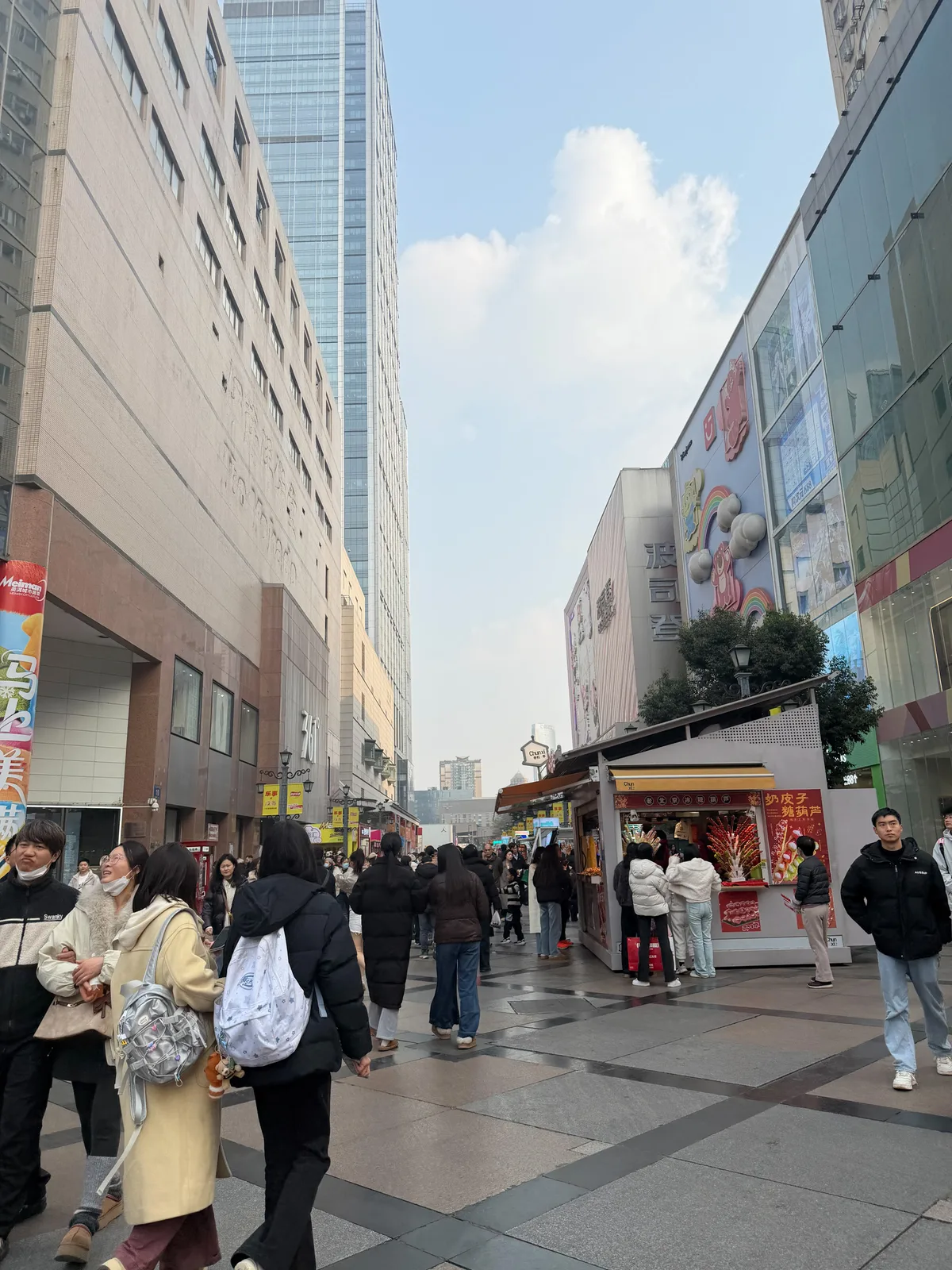
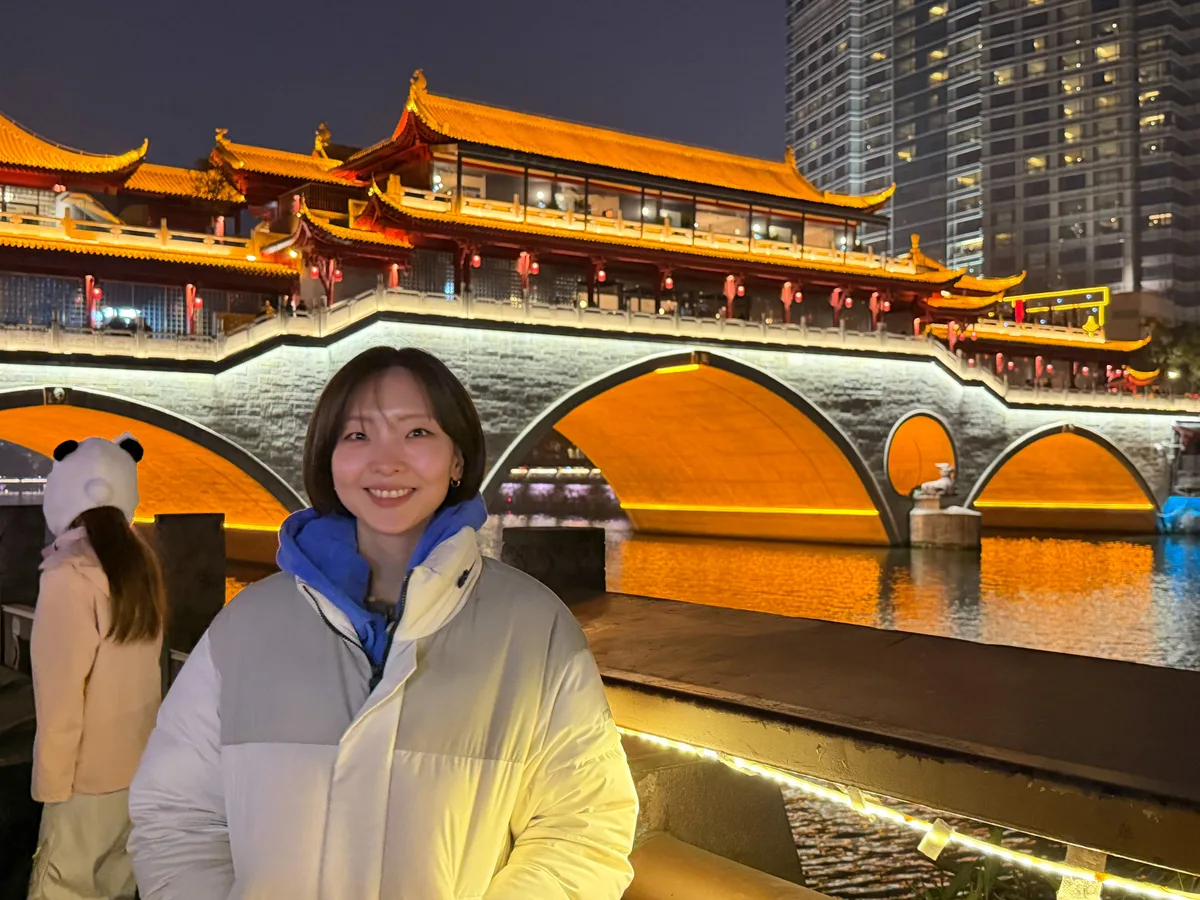
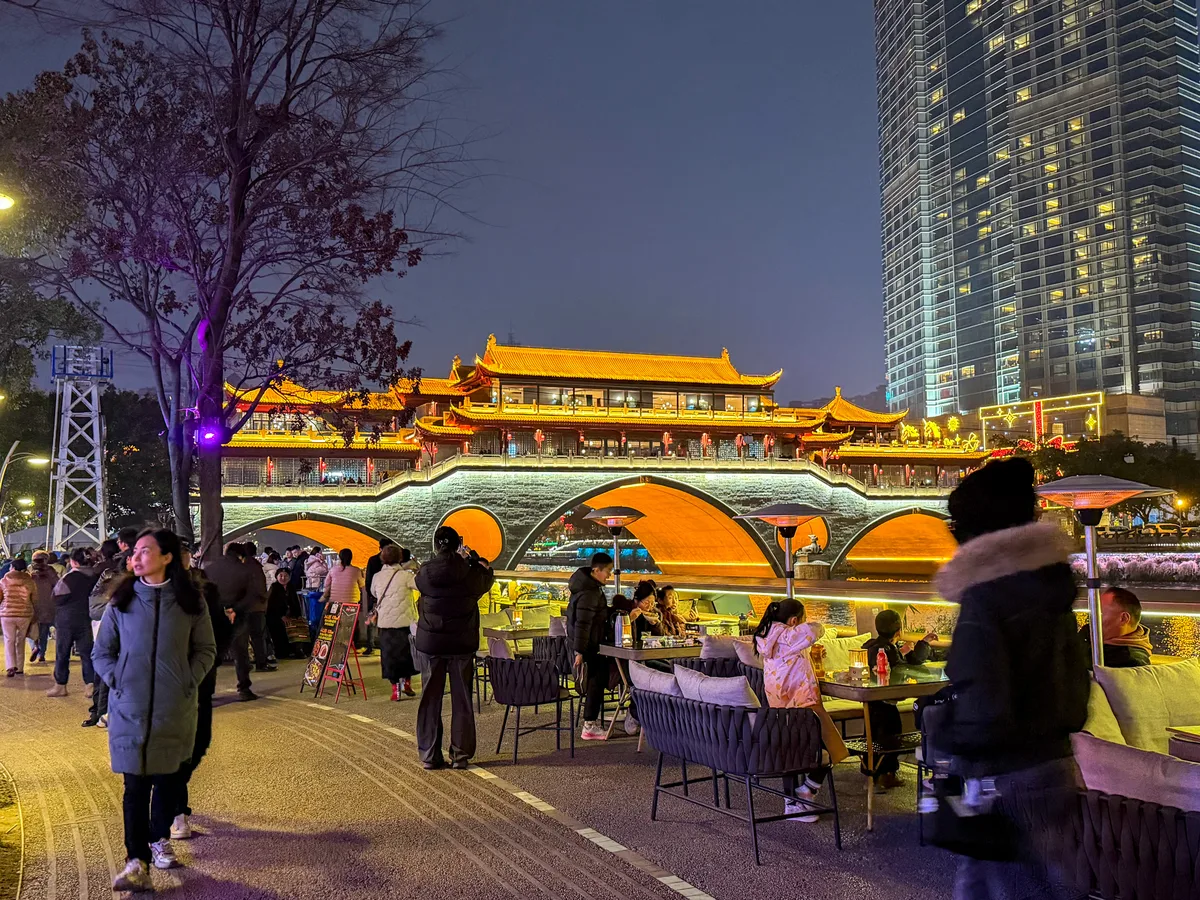
Chunxi Road → IFS → Taikoo Li → Dongsheng Alley → Anshunlang Bridge at night — a roughly 3 km walking route. The giant panda sculpture climbing the IFS building is the neighborhood’s landmark and a guaranteed photo stop (the “I am here” spot on the 7th floor draws a line, but the café next to it has a similar view without the wait). Dongsheng Alley’s panda-themed bookstore (souvenirs plus panda-shaped desserts) is worth a stop too. Anshunlang Bridge looks its best once the lights come on at night.
Anshunlang Bridge and Jiuyan Bridge are two separate bridges with similar-sounding names, about 600–800 m apart along the Jinjiang River (roughly a 10-minute walk). Both light up at night and are surrounded by bars, cafés, and restaurants — Chengdu’s go-to nightlife strip. If you’ve got the time, it’s an easy walk to see both.
Sichuan Opera face-changing show — the highlight is the bian lian (face-changing) act in a full Sichuan opera performance. Book ahead on Trip.com (good seats go fast), and while the show itself runs 90 minutes, there’s a pre-show tea-drinking window, so arrive 30–40 minutes early. English subtitles run on screens beside the stage, so you don’t need to speak Mandarin to follow along.
FAQ
How many days should I plan for Chengdu?
Half a day covers Kuanzhai Alley or Jinli, a full day adds the Panda Base plus an afternoon stop, and two days lets you add People’s Park, a Chunxi Road night walk, and a face-changing show. Adjust based on your Jiuzhaigou/Huanglong schedule.
Can I still see pandas if I go in the afternoon?
You’ll see some, but a lot less activity. Morning is strongly recommended.
Can I go straight from the airport to Jiuzhaigou?
No — you need to get to Chengdu East Station to catch the train, so you’ll pass through the city at least briefly either way. See the transport guide for the full route.
Is this everything Chengdu has to offer?
No — this list is scoped for people layering Chengdu onto a Jiuzhaigou/Huanglong trip. If you want to spend three-plus days in Chengdu on its own, there’s a lot more to see that falls outside what this guide covers.
Related Guides
Getting to Jiuzhaigou/Huanglong from Chengdu → Chengdu to Jiuzhaigou by Train
How many days to plan → Jiuzhaigou Itinerary
Weather, altitude & packing → Jiuzhaigou Travel Tips
Huanglong on its own → Huanglong Guide
The full 4-day Chengdu–Huanglong–Jiuzhaigou route → A 4-Day Itinerary