Jiuzhaigou Travel Tips: Weather, Altitude Sickness & Packing (2026)
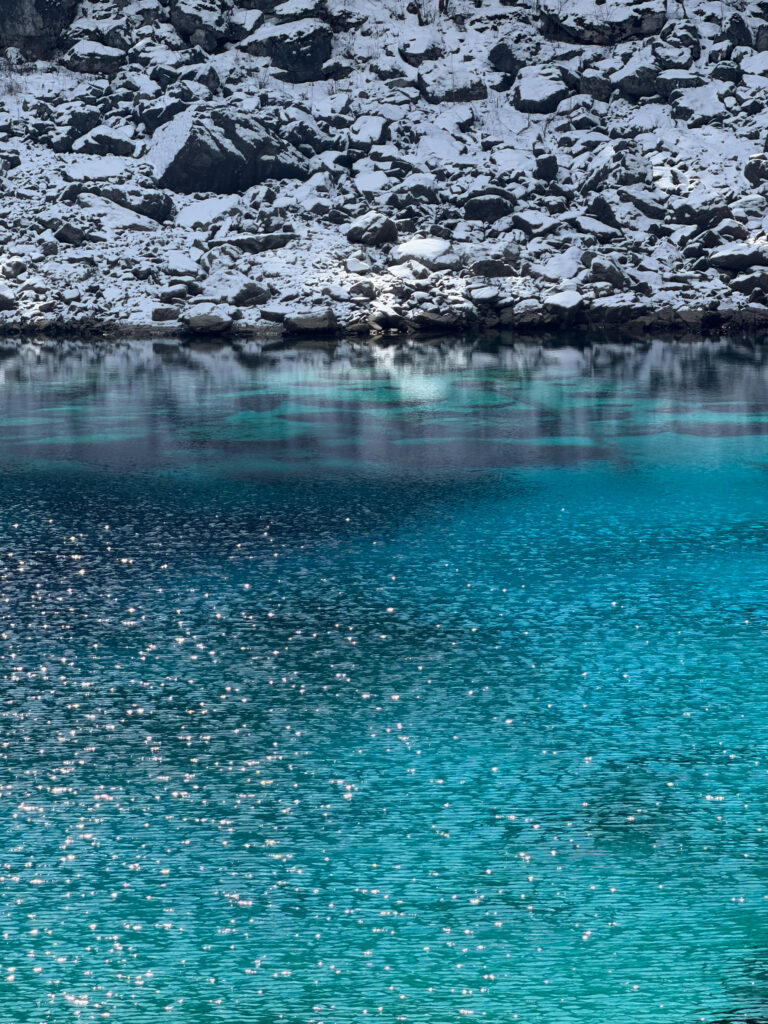
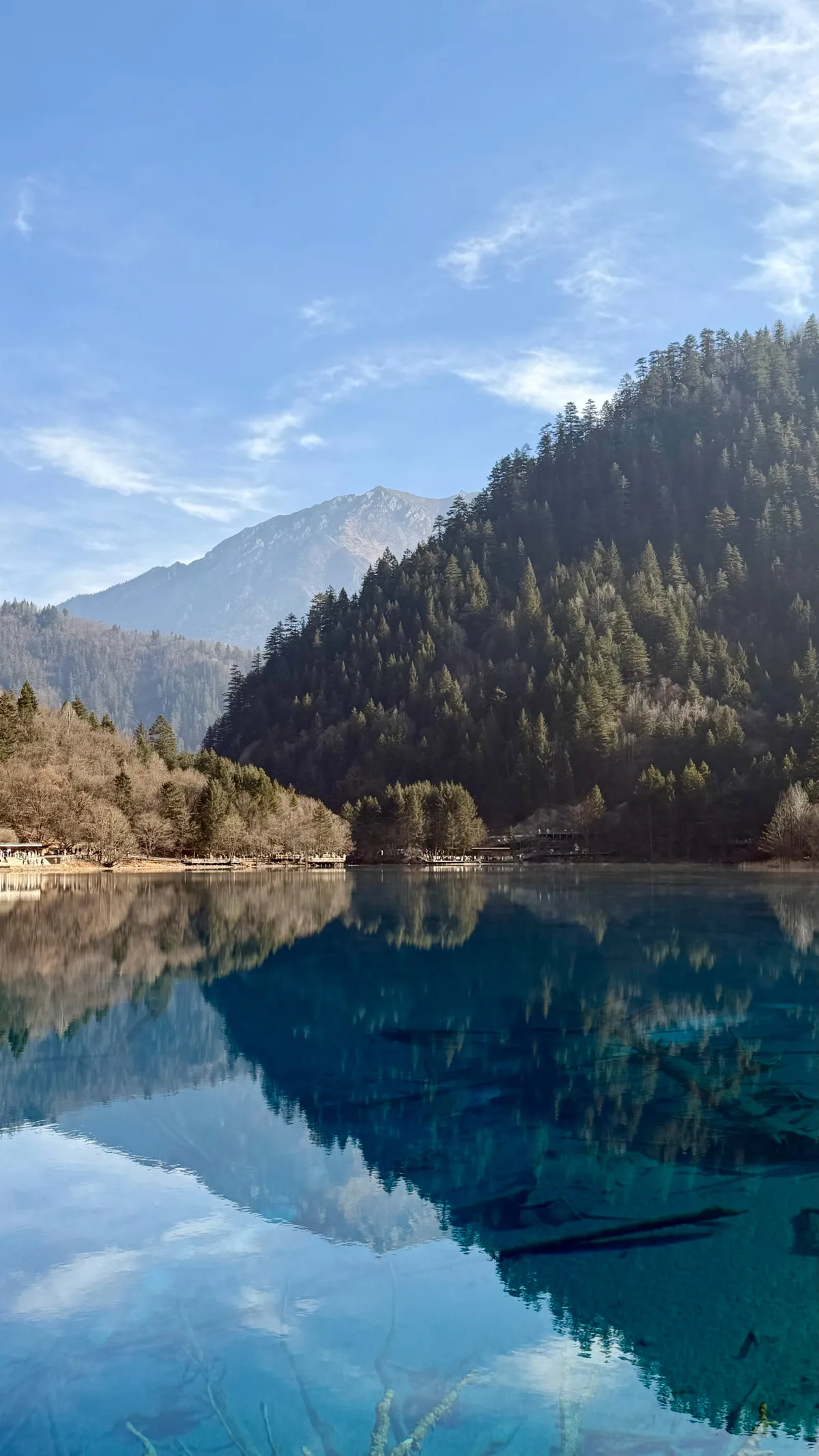
Jiuzhaigou photos always look stunning, but there’s always some mention of altitude sickness in the reviews too. I remember weighing “when will it look the most beautiful” against “can someone with my fitness level actually handle this” before I went.
These jiuzhaigou travel tips cover when to visit for the best experience, how to manage altitude sickness, and exactly what to pack each season — based on both a summer and a winter visit of my own. Tickets, itinerary length, and routes are covered in the ticket guide, itinerary guide, and routes guide — I won’t repeat those here.
The Best Time to Visit Jiuzhaigou
| Season | Avg. Temp | What to Expect |
|---|---|---|
| Spring (Mar–May) | 10–20°C | Melting ice raises lake and waterfall levels, azaleas and peach blossoms bloom, big daily temperature swings |
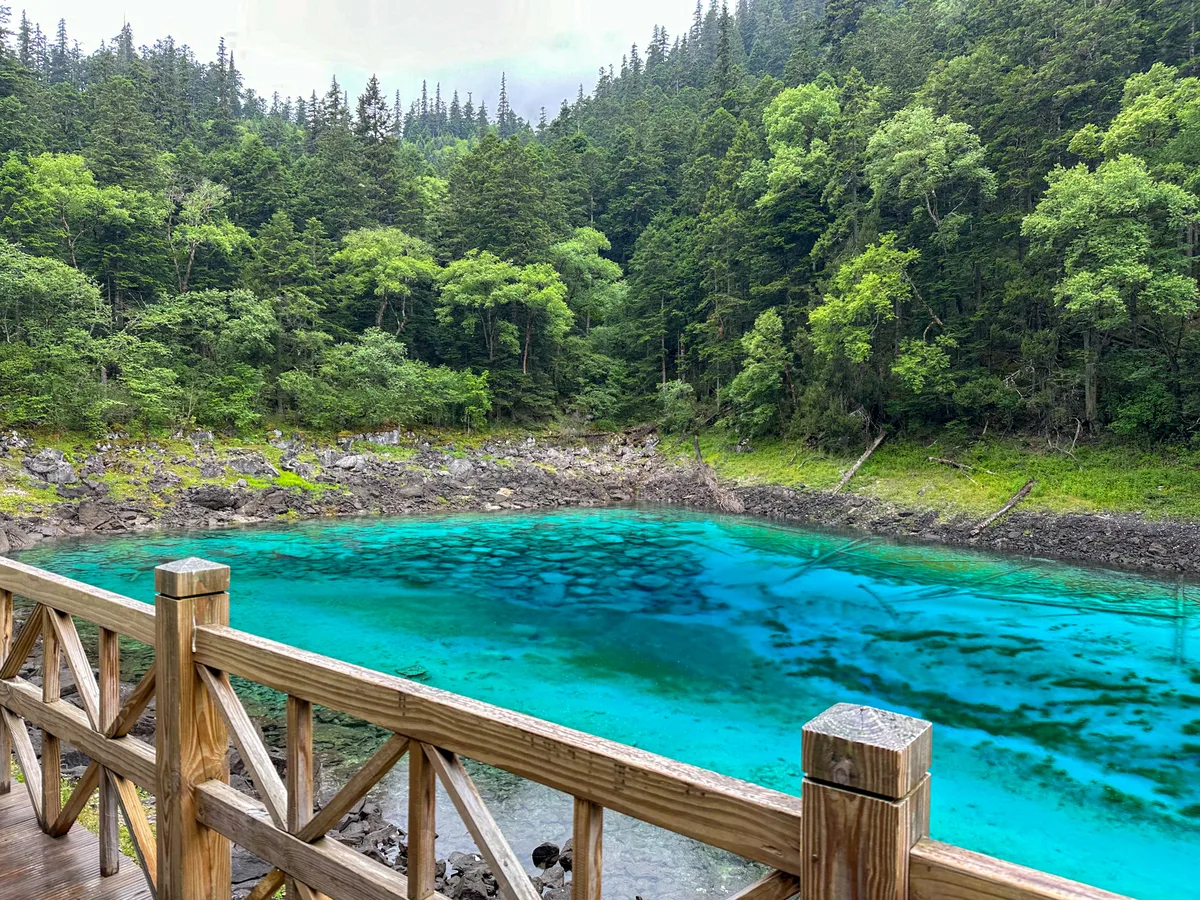
| Summer (Jun–Aug) | 18–30°C | Rainy season — frequent cloudy days mute the colors, occasional road closures |
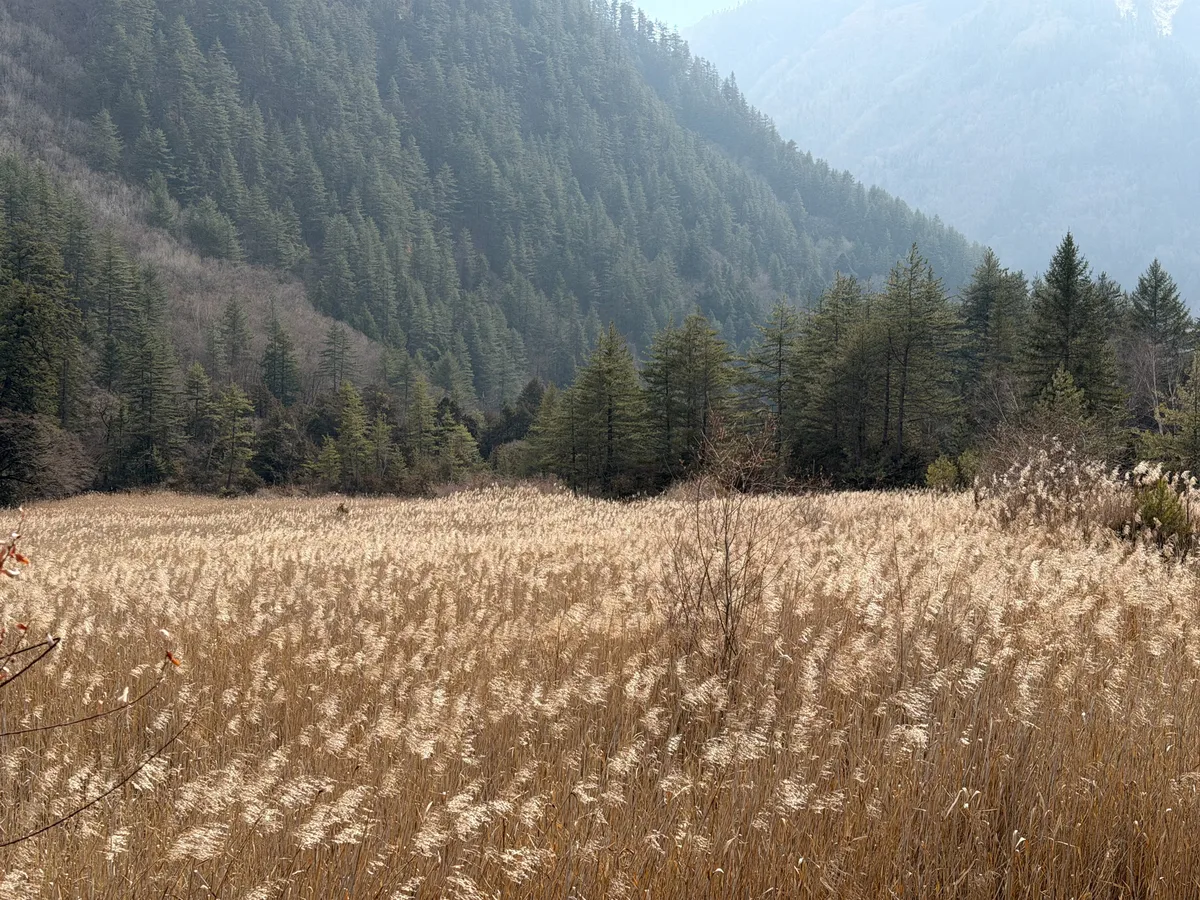
| Autumn (Sep–Nov) | 13–23°C | Best time to visit — lake and waterfall levels peak, fall foliage at its best, mostly clear skies |
| Winter (Dec–Feb) | -2–8°C | Quiet, but ice and snow make getting around harder — not ideal for a first visit |
- Top pick: Late September to early October (avoid Oct 1–7, China’s National Day holiday — crowds get intense)
- Good alternative: May–June — fewer crowds, though mornings/evenings are chilly and weather shifts fast
- Skip if possible: July–August (rainy season, muted colors); winter isn’t recommended for first-timers either, given the icy conditions
Altitude Sickness: How Bad Is It, Really?
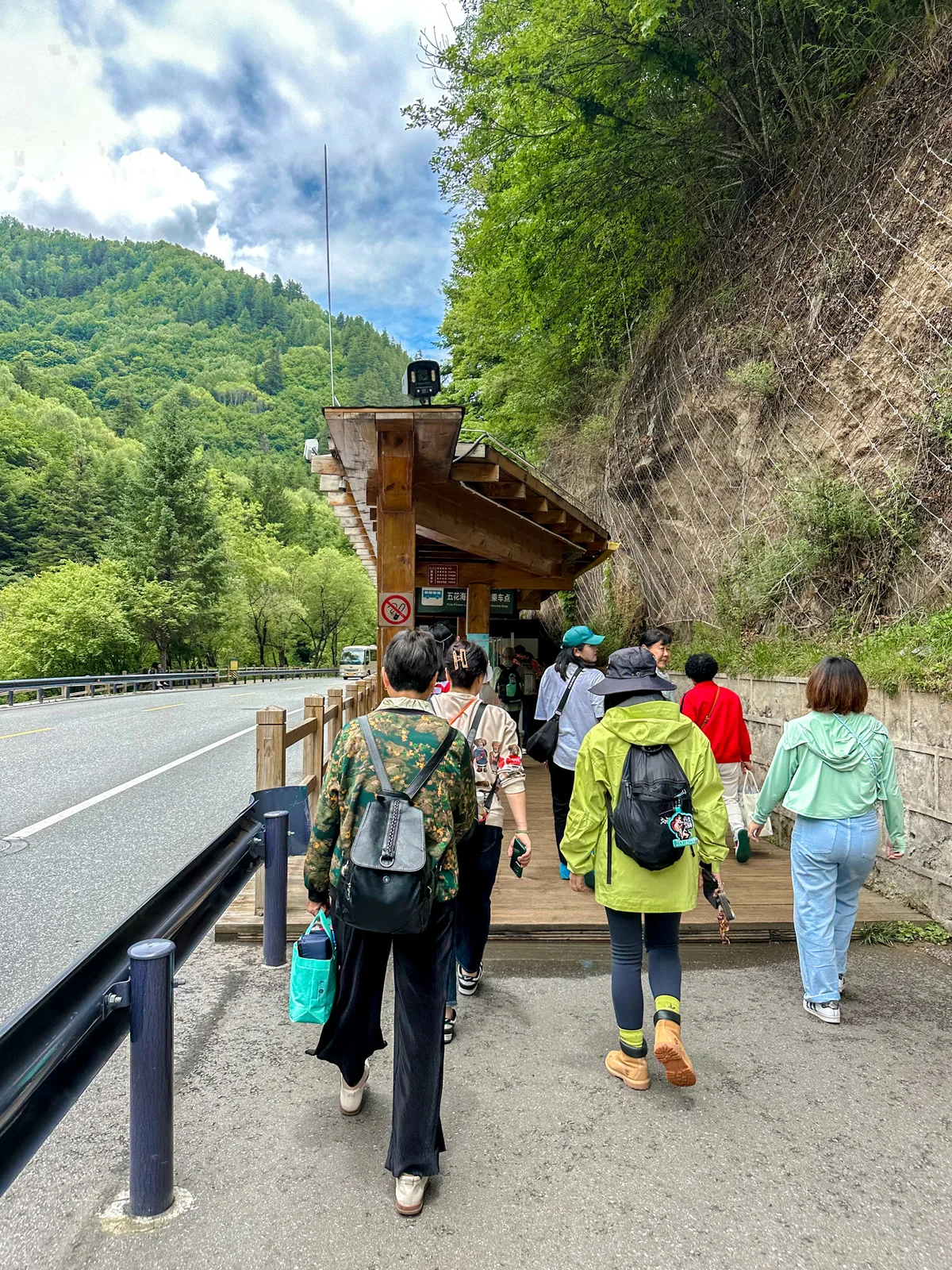
Jiuzhaigou sits around 3,000m on average (the park spans 2,000–4,500m overall). I personally just felt a bit foggy-headed, no serious headache or nausea — but at the higher sections like Zhanghai, I’ve regularly seen people gripping the railing, struggling. It varies a lot person to person, so I can’t tell you definitively whether you’ll feel it or not.
What matters most: altitude sickness tends to hit hardest when you push too fast. Moving slowly is fine — it’s when you rush to overtake someone for a photo or sprint up a staircase that your body reacts.
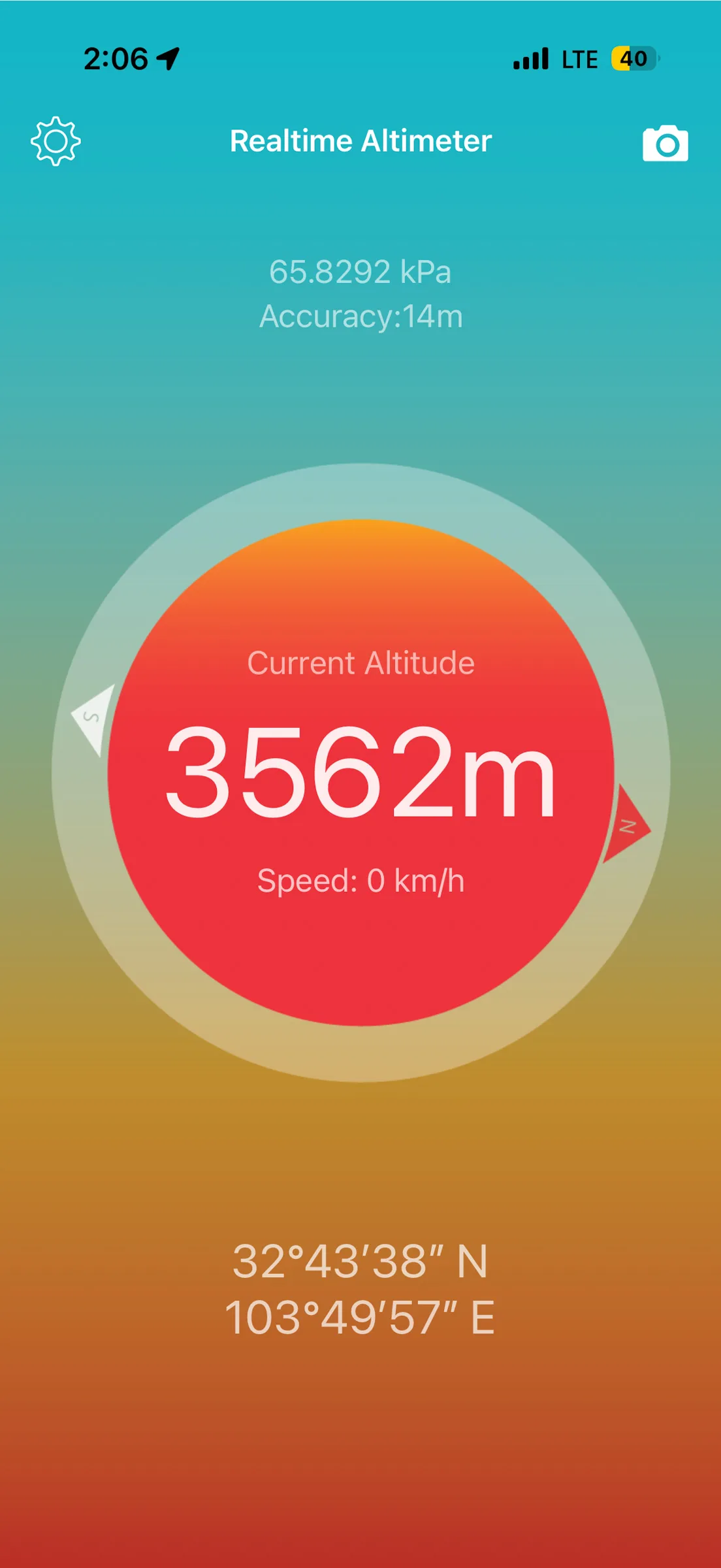
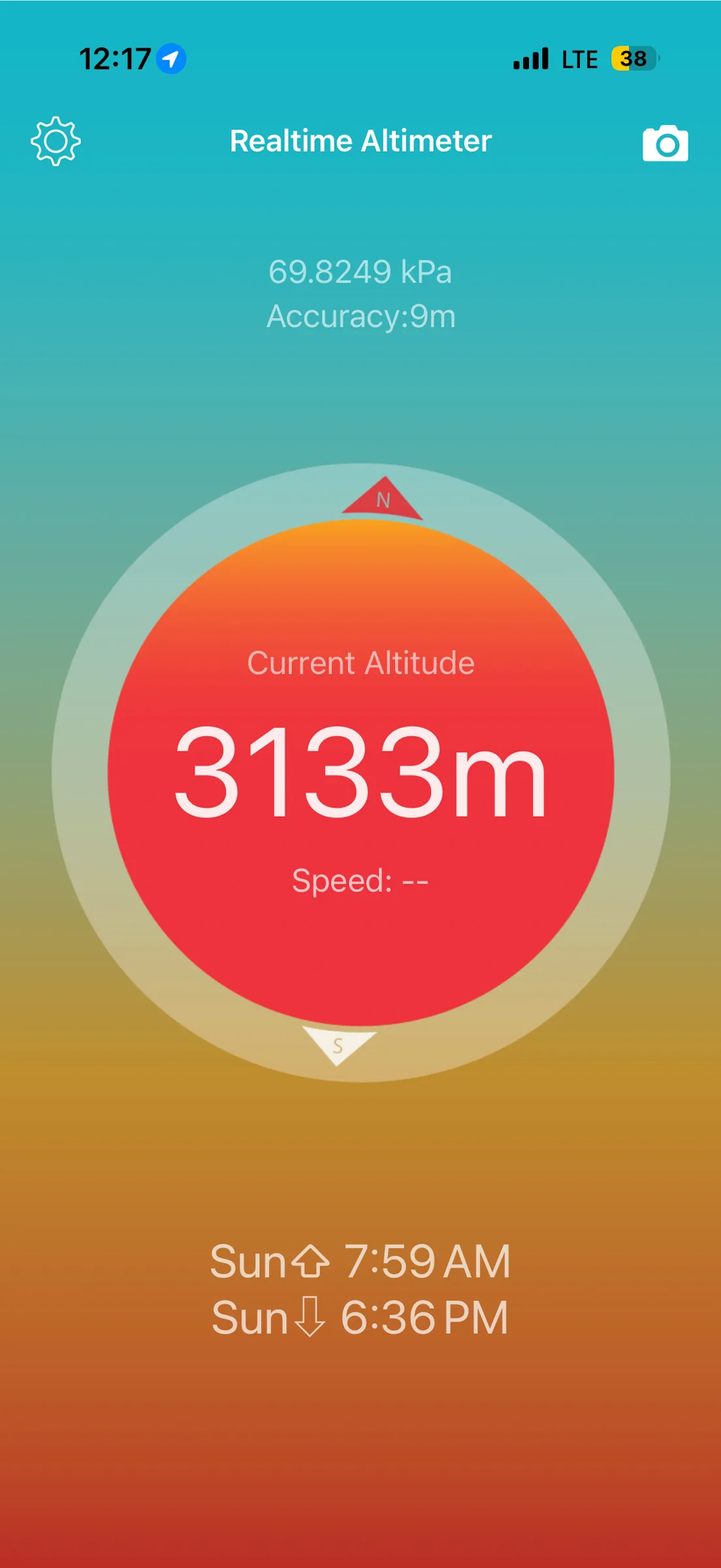
What Actually Helped With Altitude Sickness
- Move at 70% of your normal pace: Don’t walk like you’re on flat ground. Consciously slow down.
- Drink water constantly: Small sips even when you’re not thirsty. Skip coffee and alcohol if you can — alcohol especially can hit you harder the next day.
- Altitude medication: Typically needs to start about a week before you go, so plan ahead if you’re worried. I personally skipped the meds and just brought Tylenol. If Huanglong (which sits even higher) is on your itinerary too, I’d lean toward bringing medication.
- Take it easy on day one: Don’t pack your arrival day — rest at your hotel and let your body adjust.
💡 The short version: move slowly, drink water often, rest on day one.
What to Wear by Season
| Season | What to Wear |
|---|---|
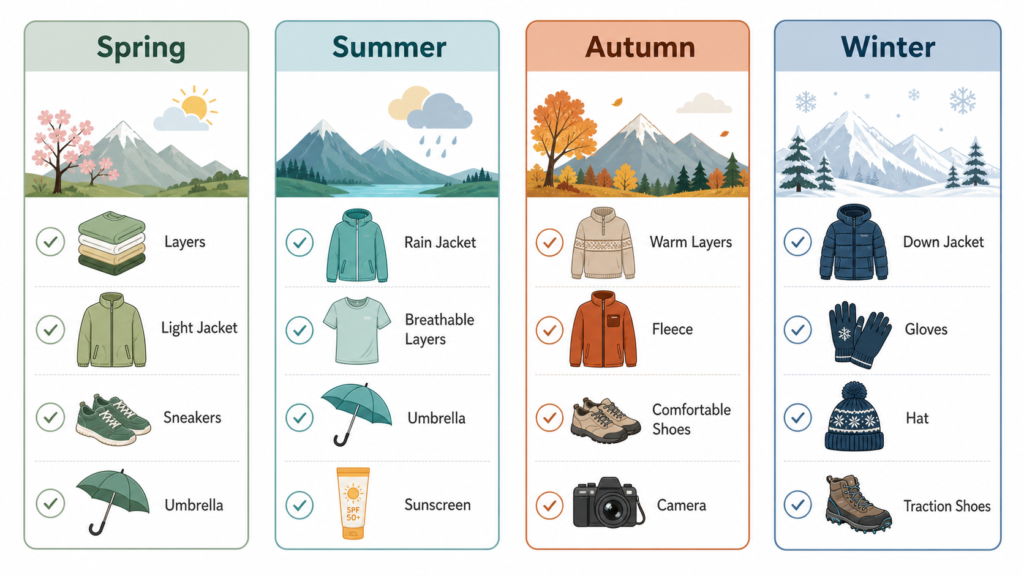
| Spring/Autumn | Lightweight down or fleece-lined windbreaker, long-sleeve shirt, hoodie/cardigan, jeans |
| Summer | Light jacket or windbreaker (mornings are cold), t-shirt, long pants |
| Winter | Heavy down jacket, sweater, padded pants, scarf, gloves |
- Across all seasons: long pants + comfortable sneakers or trekking shoes (the trails have a lot of loose stone and can be slippery), a folding umbrella that doubles as sun/rain protection
- Layering is the move — the altitude means big daily temperature swings and weather that can flip multiple times a day. I’ve had rain in the morning and blazing sun by the time I came down.
- Don’t bother packing a rain poncho — they sell them right at the entrance. Skip the shoe covers though, they’re more slippery than useful.
Packing Checklist
- Travel documents: Passport (needed for the train, park entry, and hotel check-in)
- Clothing: season-specific, see above
- Personal items: China plug adapter, portable charger, a Chinese SIM/eSIM with VPN built in, sunscreen, sunglasses, a hat, comfortable trekking shoes
- Medication: Altitude sickness medication (start about a week ahead if needed), motion sickness pills, Tylenol
- Other: Snacks and water, a small backpack
FAQ
When’s the best time to visit Jiuzhaigou?
Late September to early October is ideal — just avoid the National Day holiday (Oct 1–7).
I’m worried about altitude sickness — will I be okay?
It varies by person, but moving slowly and drinking water often gets most people through fine. Bring medication in advance if you’re concerned.
Is summer a bad time to go?
You can still go, but it’s rainy season and the colors won’t be as vivid. Autumn is a better bet for first-timers.
What’s winter like at Jiuzhaigou?
The snow-covered scenery is beautiful, but conditions are icy and harder to navigate. If it’s your first visit, autumn or spring is a better choice.
Related Guides
Getting from Chengdu to Jiuzhaigou by train → Chengdu to Jiuzhaigou by Train
Entrance ticket & opening hours → Jiuzhaigou Entrance Ticket Guide
How many days to plan → Jiuzhaigou Itinerary
Routes & the high-altitude sections → Best Routes & Trails
Checking hotel heating → Where to Stay Near Jiuzhaigou