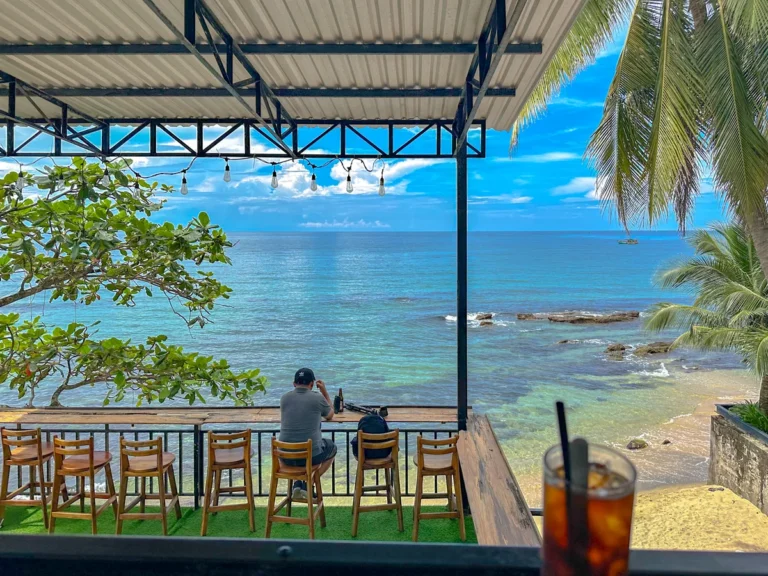
Phu Quoc Weather by Month: When to Actually Go (2026 Guide)
“Phu Quoc’s dry season runs November to April, and the rainy season from May to October — go in the dry season.” That’s what every search result tells you. It’s not wrong, exactly. But after six years of watching the weather here play out month by month, the lived reality looks pretty different from the label.
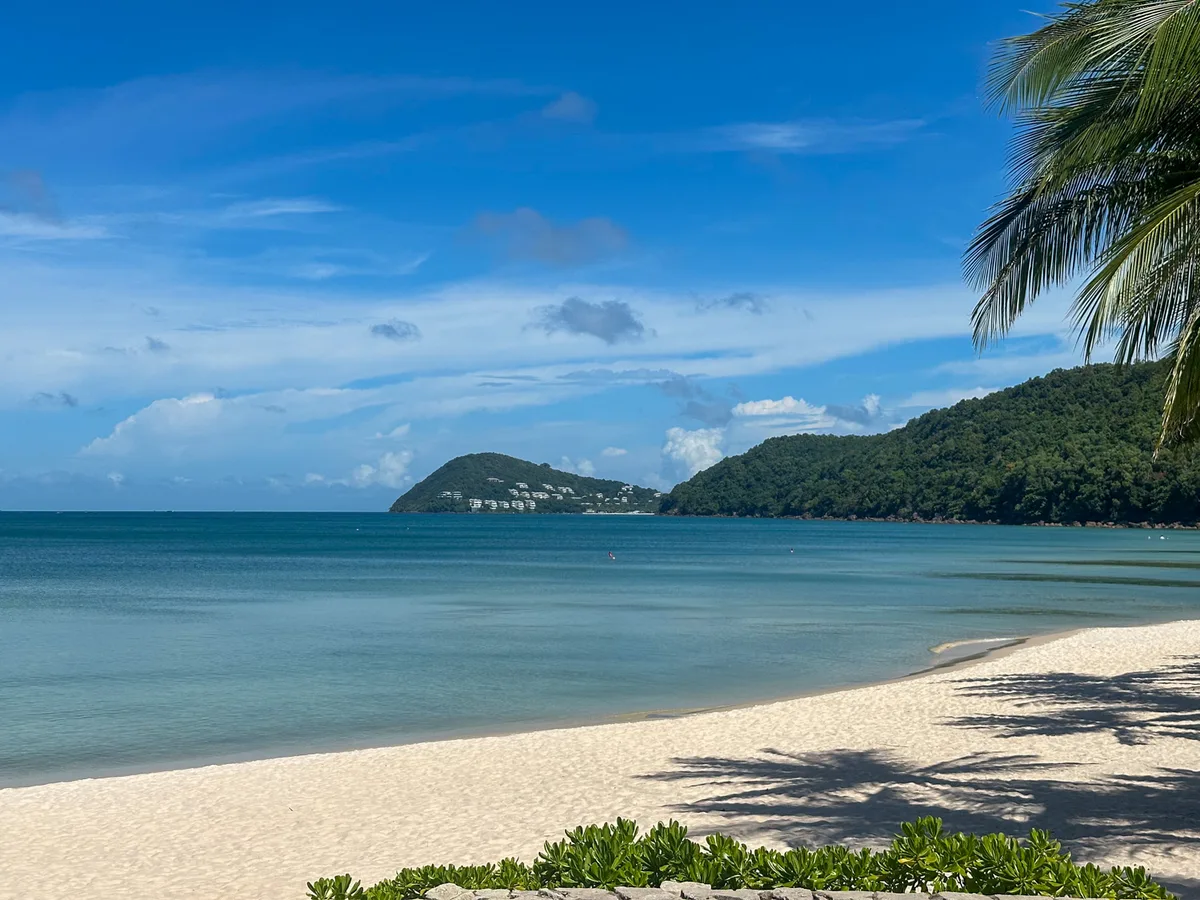
This guide skips the official dry/wet split and instead breaks down what each month actually feels like on the ground, and whether it suits sightseeing or beach time better. The short version: May and June don’t deserve their “rainy season” reputation — the sea is at its most beautiful then. Meanwhile December and January, the so-called “full dry season,” can actually be windier and less beach-friendly than November.
At a Glance
| Period | What it’s actually like | Best for |
|---|---|---|
| Nov–Dec | Dry season kicks in, cool and clear (but windy) | Sightseeing (Vinpearl Safari, cable car) |
| January | My personal favorite month — clear and stable | Both sightseeing and beach time |
| Feb–Apr | Hot, sunny, almost no rain | Swimming, resort lounging |
| May–Jun | “Rainy season” on paper, surprisingly gorgeous in practice, best sea color of the year | Snorkeling, beach days |
| Early Jul–Aug | Transition period, more overcast days | Keep your plans flexible |
| Late Aug–Oct | The real rainy season, by feel (September peaks, October recovers) | Morning activities + backup indoor plans |
November–December: Dry Season Starts, But the Wind Picks Up
The dry season sets in from November. Temperatures sit around 27–31°C, humidity drops, and rain chances are low — overall it’s pleasant. This is prime time for busy sightseeing days, whether that’s Vinpearl Safari or the Hon Thom cable car.
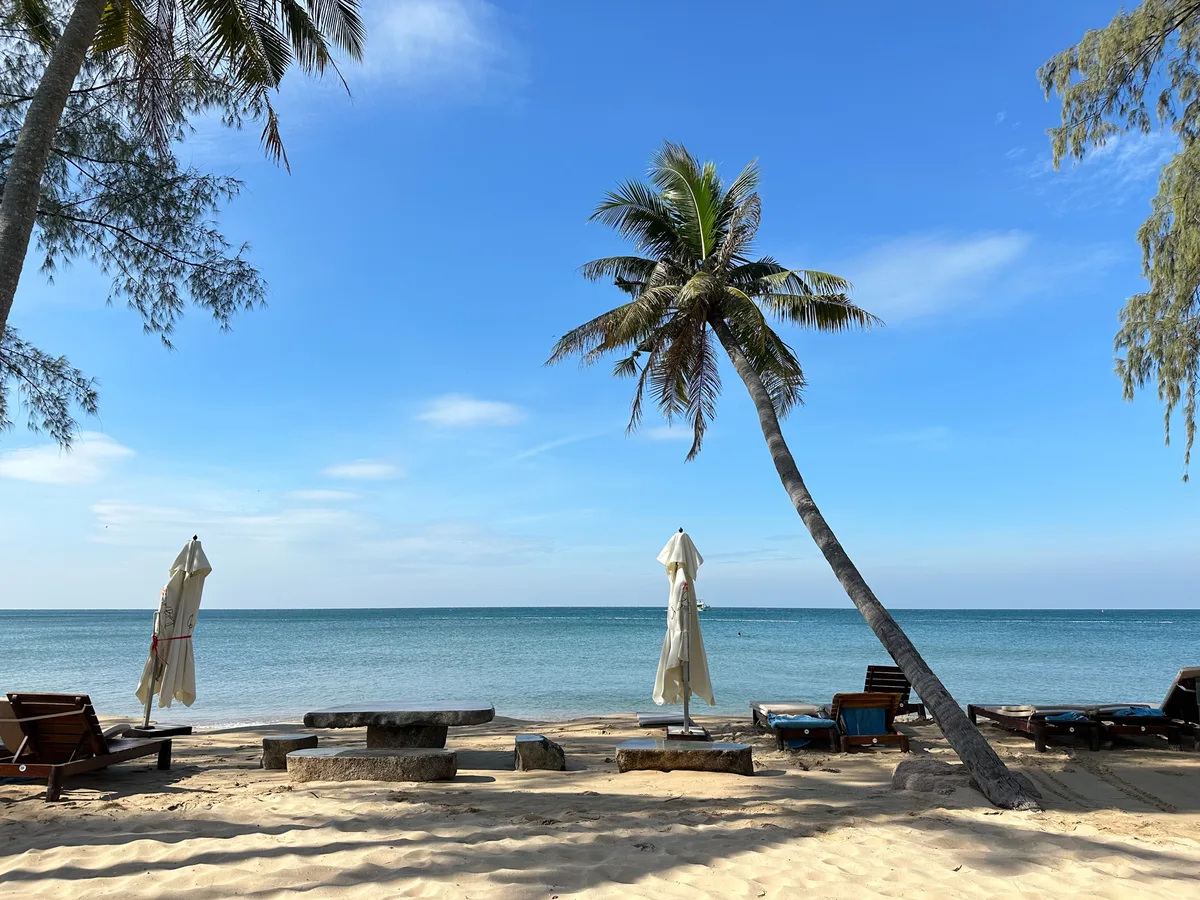
Here’s the twist: November actually beats the “true dry season” months of December and January for beach time. December and January bring stronger coastal winds, which can make the water feel a bit too chilly for comfortable swimming.
January: My Personal Favorite Month
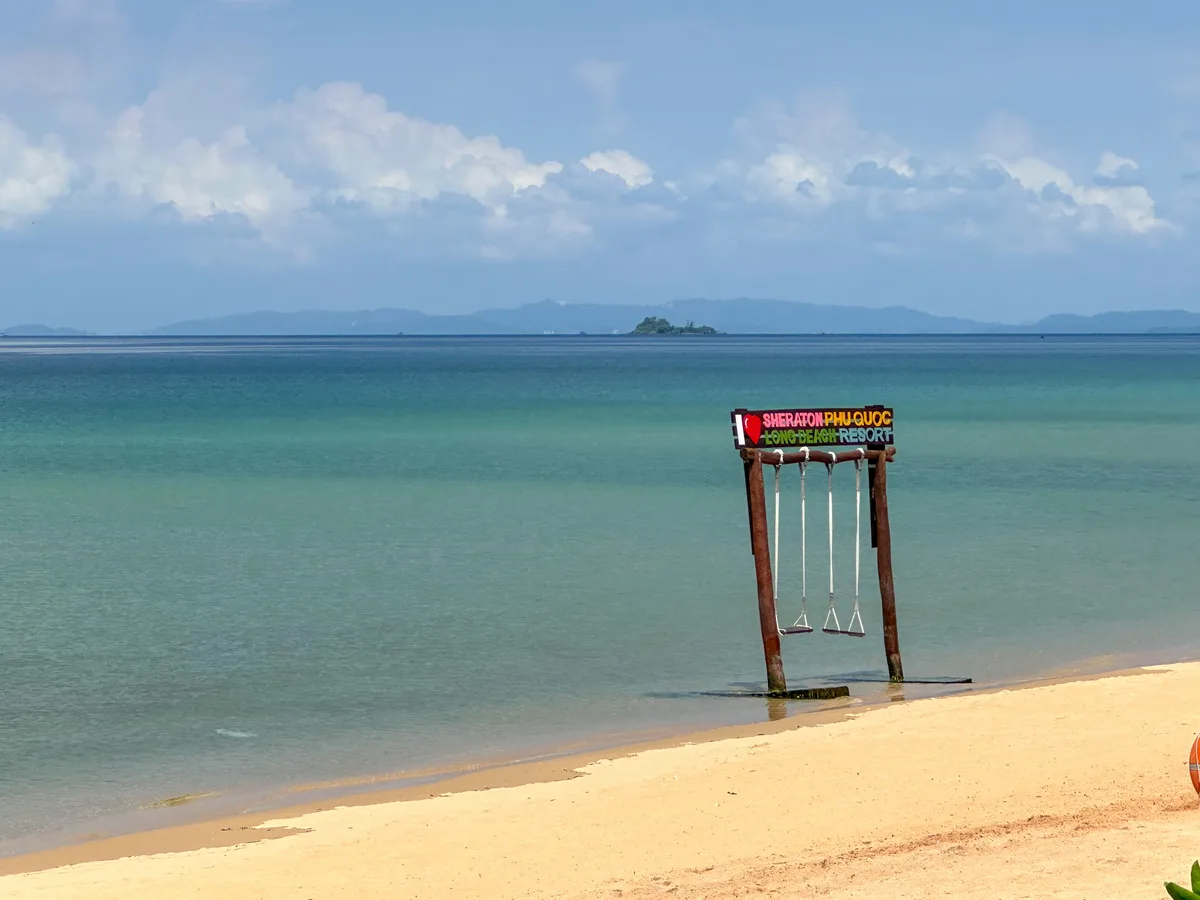
If I had to pick one favorite stretch after six years here, it’s January. The dry season is in full swing — clear skies, comfortable temperatures, day after day.
| Metric | Value |
|---|---|
| Avg. high | 29–30°C |
| Avg. low | 24–25°C |
| Avg. rainfall | 10mm |
| Rainy days | 2–4 days |
It’s cool enough for comfortable swimming, and easygoing enough to handle a full sightseeing day — safari, cable car, whatever you’ve got planned. Occasional strong wind can make the beach feel a little cool, though.

February–April: Hot and Sunny — More Swimming, Less Walking Around
Clear skies, calm wind, but noticeably hot. This stretch suits resort-pool or beach downtime better than long days of walking around in direct sun.

May–June: The Month “Rainy Season” Gets a Bad Rap
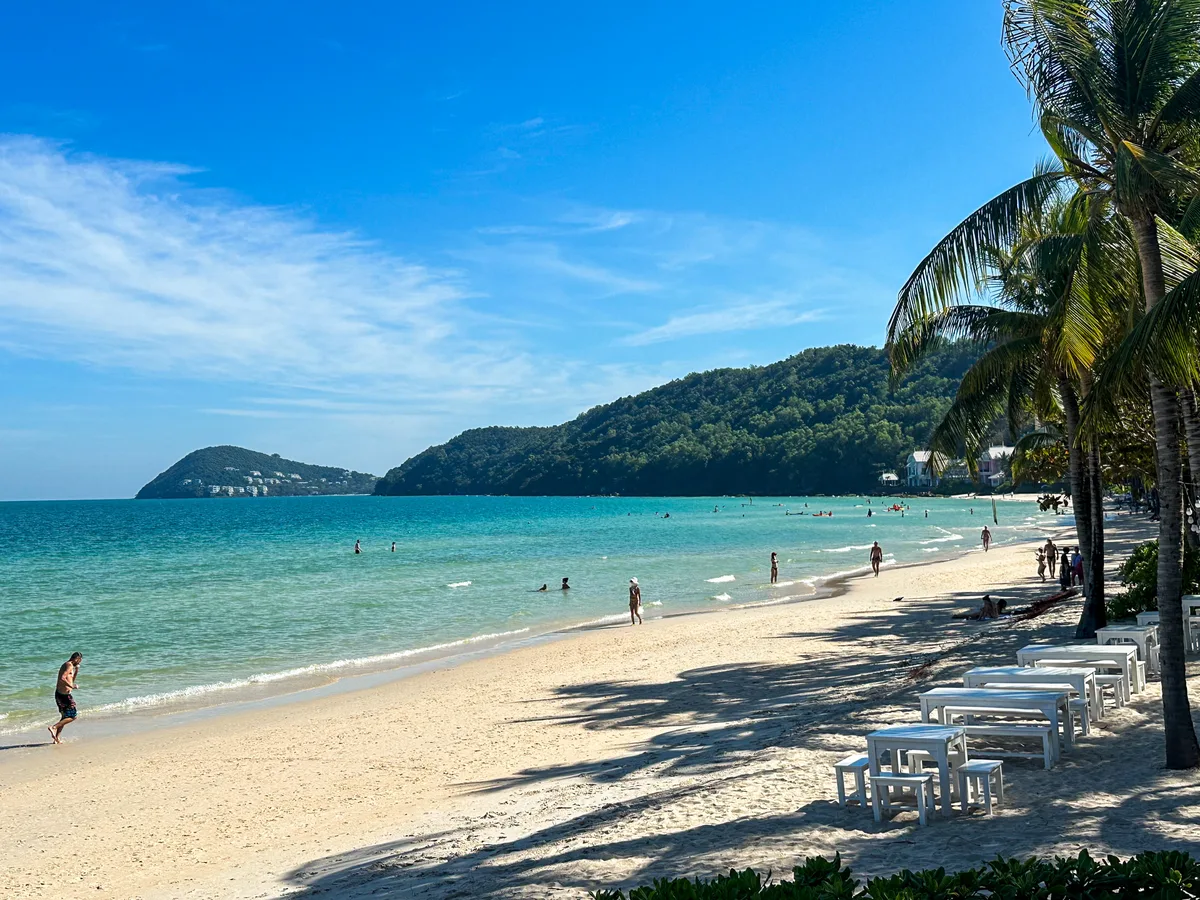
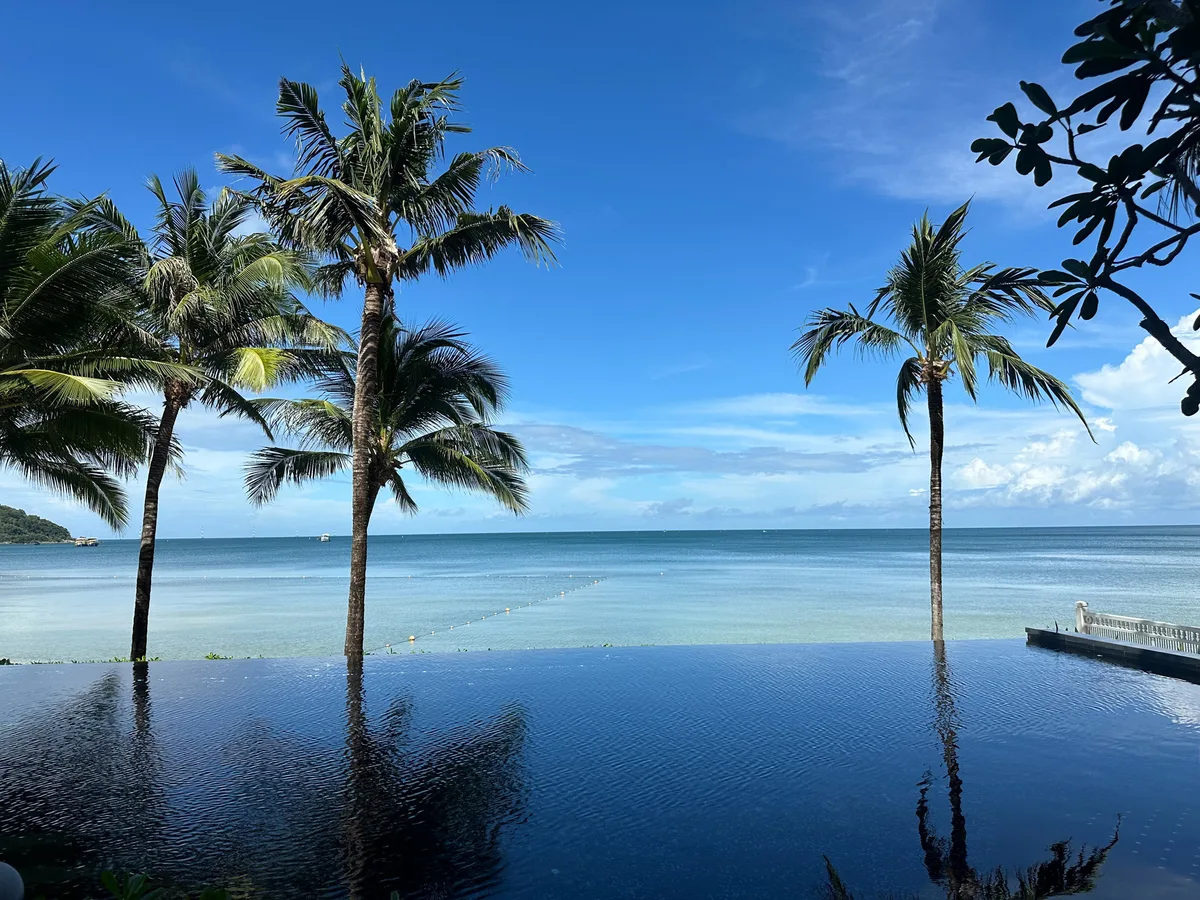
This is the heart of this guide. The internet says the rainy season starts in May, but the last several years of May–June weather here have been far better than that label suggests. More than anything, this is when the sea (especially Khem Beach in the south) shows its best color of the year — a deeper, calmer emerald than even the “dry season” waters of November through April. Sunsets turn the sky and sea pink and purple together, especially in June.
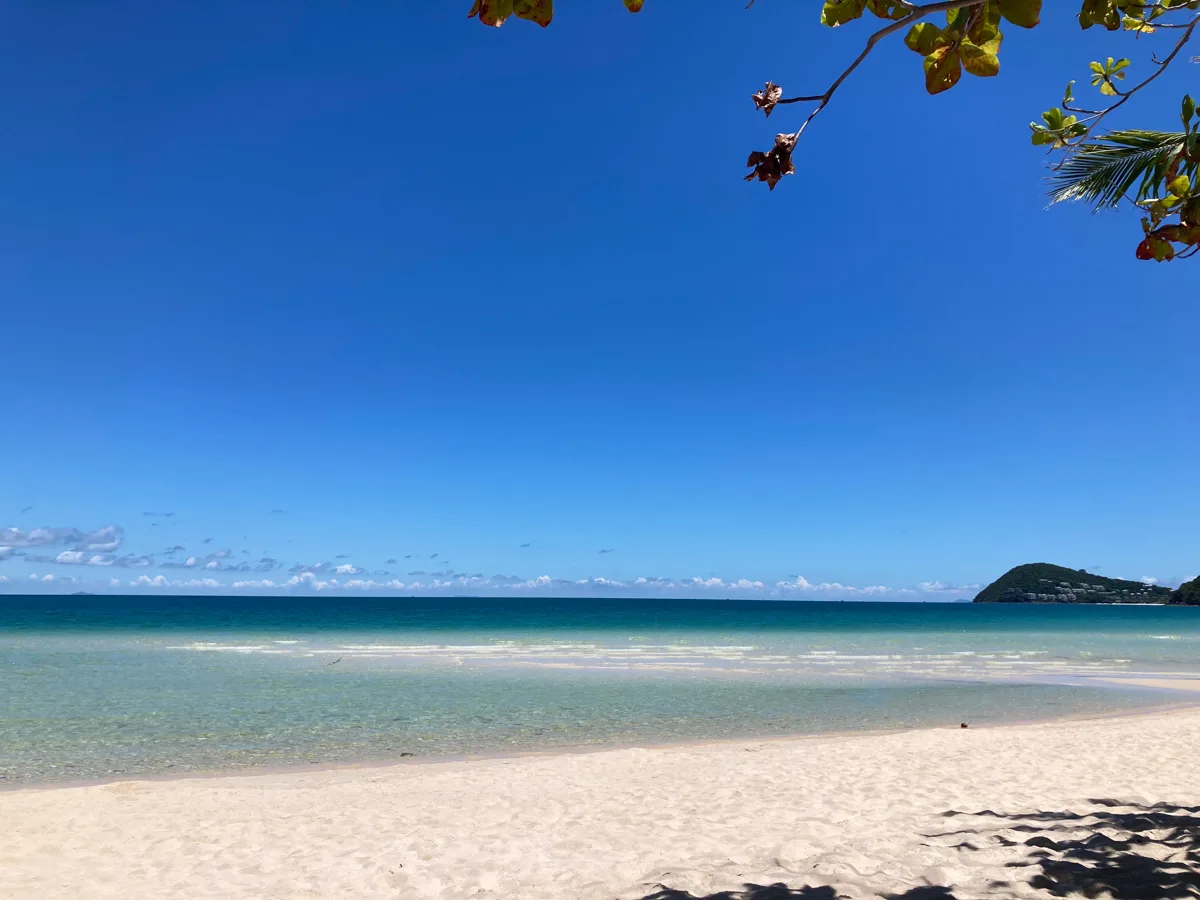
If you’re planning snorkeling or beach time, this window is worth serious consideration. Rather than writing off a period because it’s labeled “rainy season,” it’s better to check the actual weather that particular year and stay flexible.
Early July–August: A Transition Period That Changes Year to Year
This is the shift from dry to wet season, and honestly, even after six years here, the pattern varies a lot from year to year. Some years bring frequent rain during this stretch; other years pass by almost rain-free. It’s the hardest month to make a blanket statement about.
What holds true most years: it’s generally not a heavy-rain period. When rain does come, it’s rarely an all-day drizzle — more often it’s a sudden squall that clears up within 30 minutes to an hour. Often the sky looks even clearer once the shower passes. If you’re traveling during this window, plan outdoor activities for the morning and leave your afternoon loose rather than building your schedule around “it might rain.”
Late August–October: The Real Rainy Season, By Feel
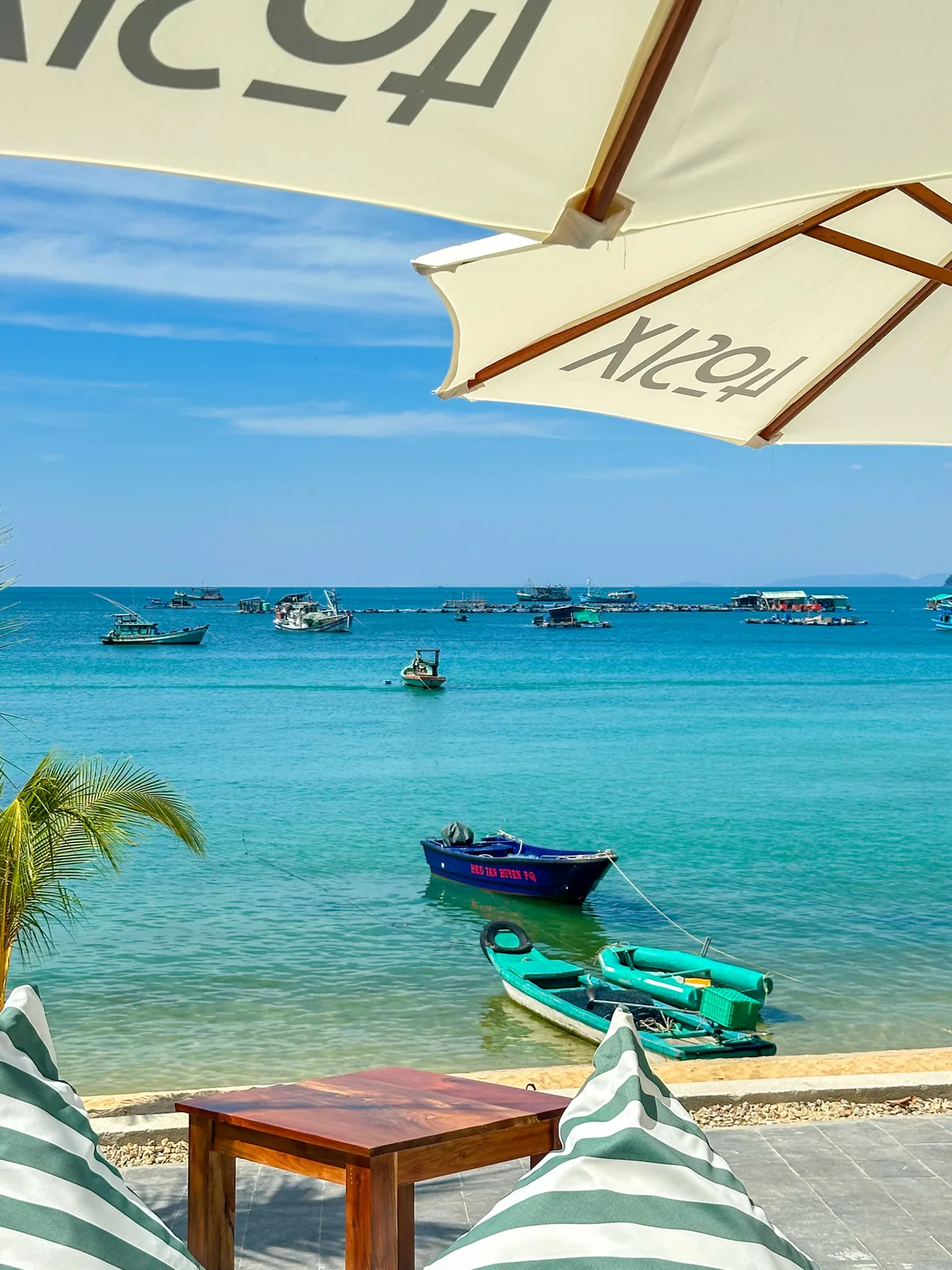
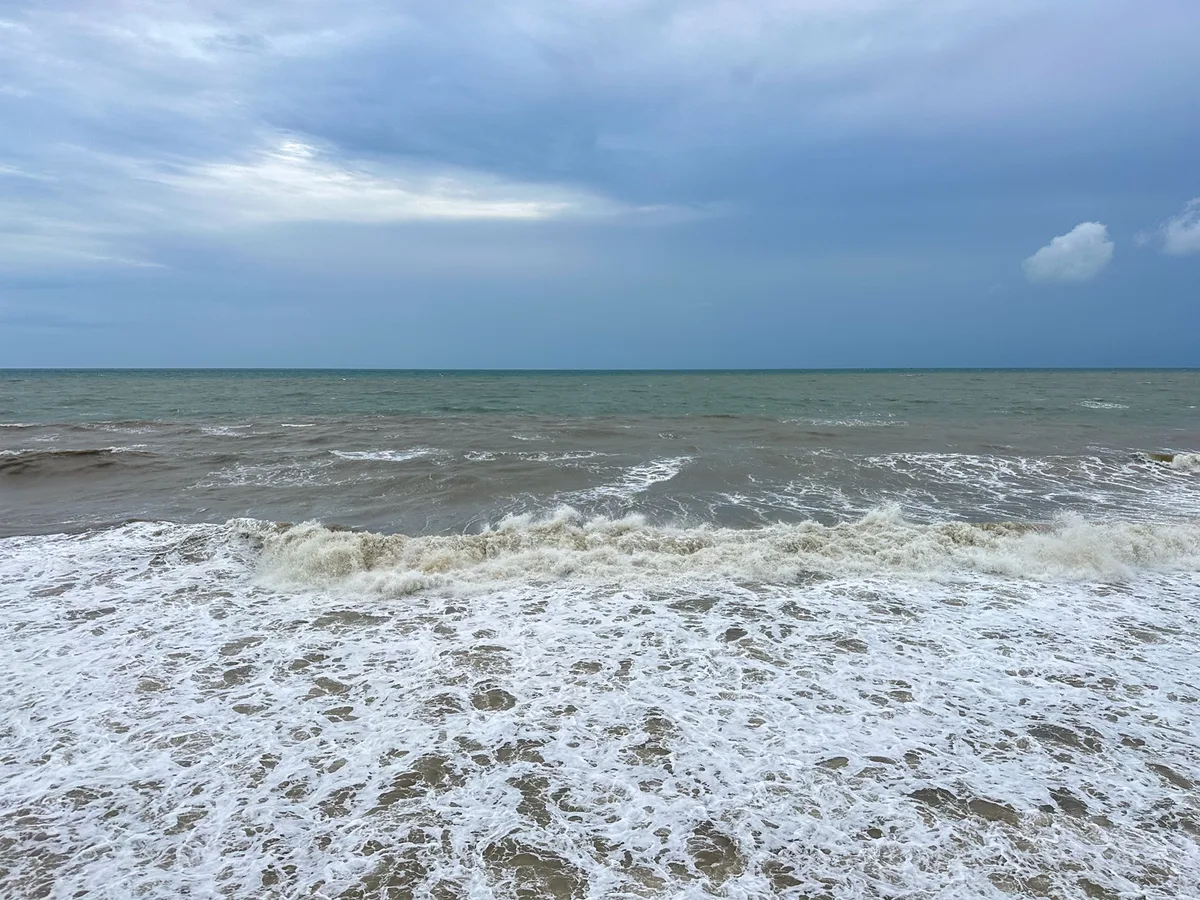
Honestly, after six years here, the real rainy season is late August through October. That doesn’t mean your trip is ruined — it doesn’t rain all day. The typical pattern is clear mornings, then a shower in the afternoon or evening that passes and clears up again.
Here’s what the data looks like (treat this as a typical-year reference, not a forecast — year-to-year variation is real).
| September | October | |
|---|---|---|
| Avg. high | 30°C | 31°C |
| Avg. low | 25°C | 24°C |
| Avg. rainfall | 285mm | 200mm |
| Rainy days | 20 days | 12 days |
September is the wettest month; by October, the tail end of the season means more clear days creep back in. Once a good rain passes through, the air often feels fresher and the sun less intense — sometimes it’s actually a better time to be out walking around.
💡 Tip — Don’t fully trust the weather app. Google Weather, AccuWeather, Windy — these tend to be less accurate for a small island like Phu Quoc. Even when the forecast shows “rain all day,” it’s often clear in reality.
Packing Notes
- Light, breathable clothing (t-shirts, sundresses) — the year-round default
- A thin cardigan for strong indoor AC
- Sunscreen, a hat, and sunglasses are essential year-round
- If traveling late August through October, pack a compact umbrella or a light rain jacket
FAQ
What’s the best month to visit Phu Quoc?
November through March if you’re prioritizing sightseeing; January through June if you’re prioritizing beach time and swimming. Personally, I’d recommend January above all.
Will visiting during “rainy season” (May–October) ruin my trip?
No. May and June in particular tend to have much better weather than the “rainy season” label suggests, and even late August through October usually stays clear through the morning rather than raining all day. Keep your itinerary flexible and you’ll still have a great trip.
Can I trust weather apps here?
Standard weather apps tend to struggle with small islands like Phu Quoc. Rather than canceling plans based on a forecast, it’s better to check the actual sky that day and stay flexible.